


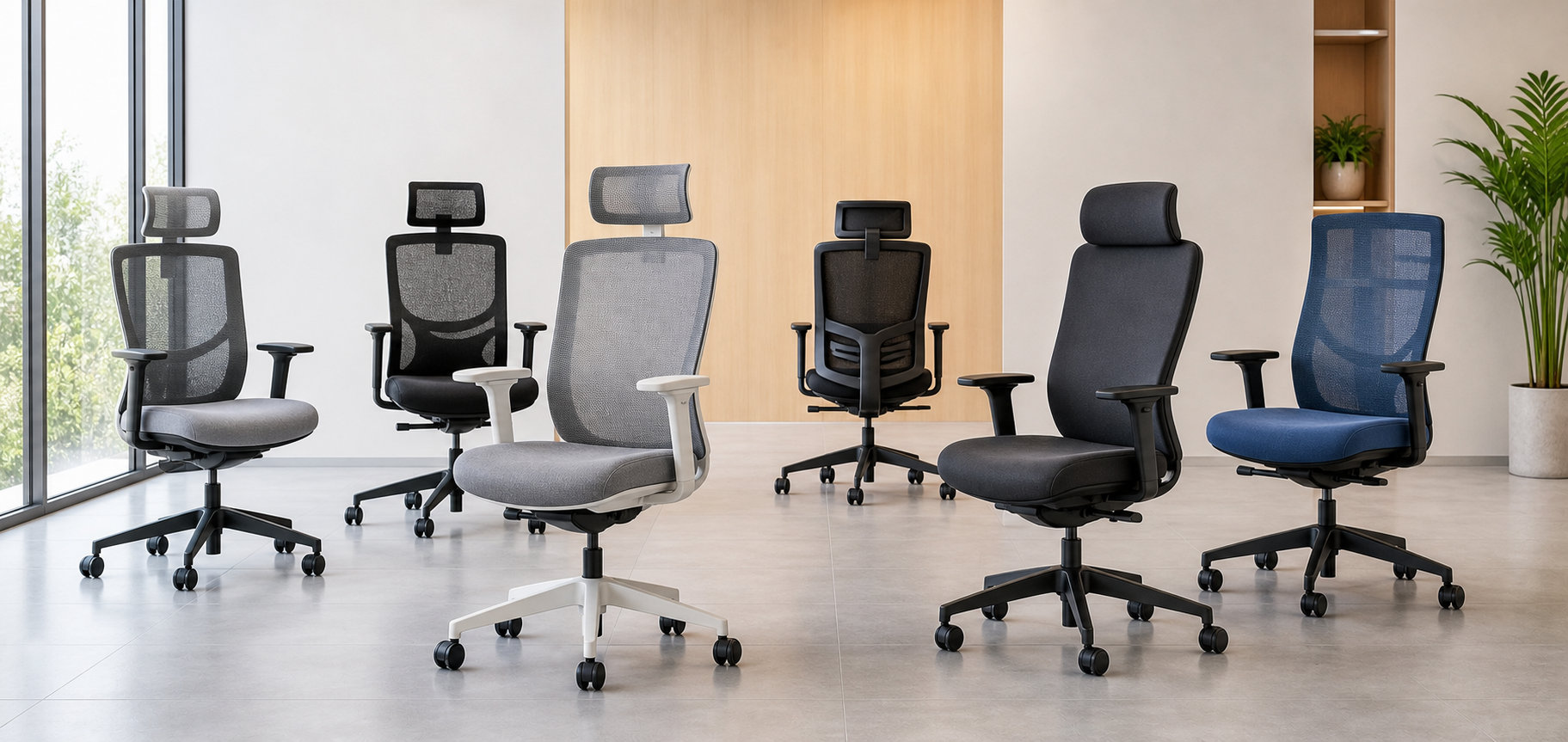


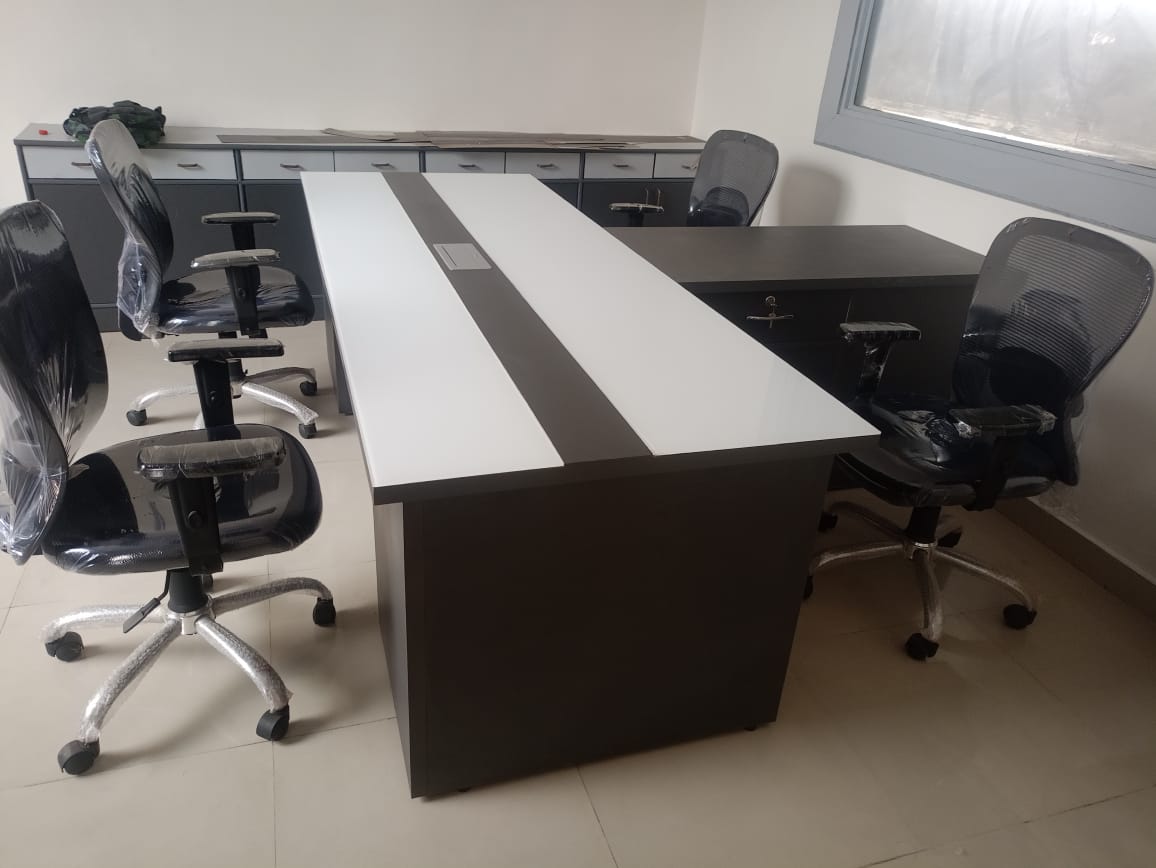

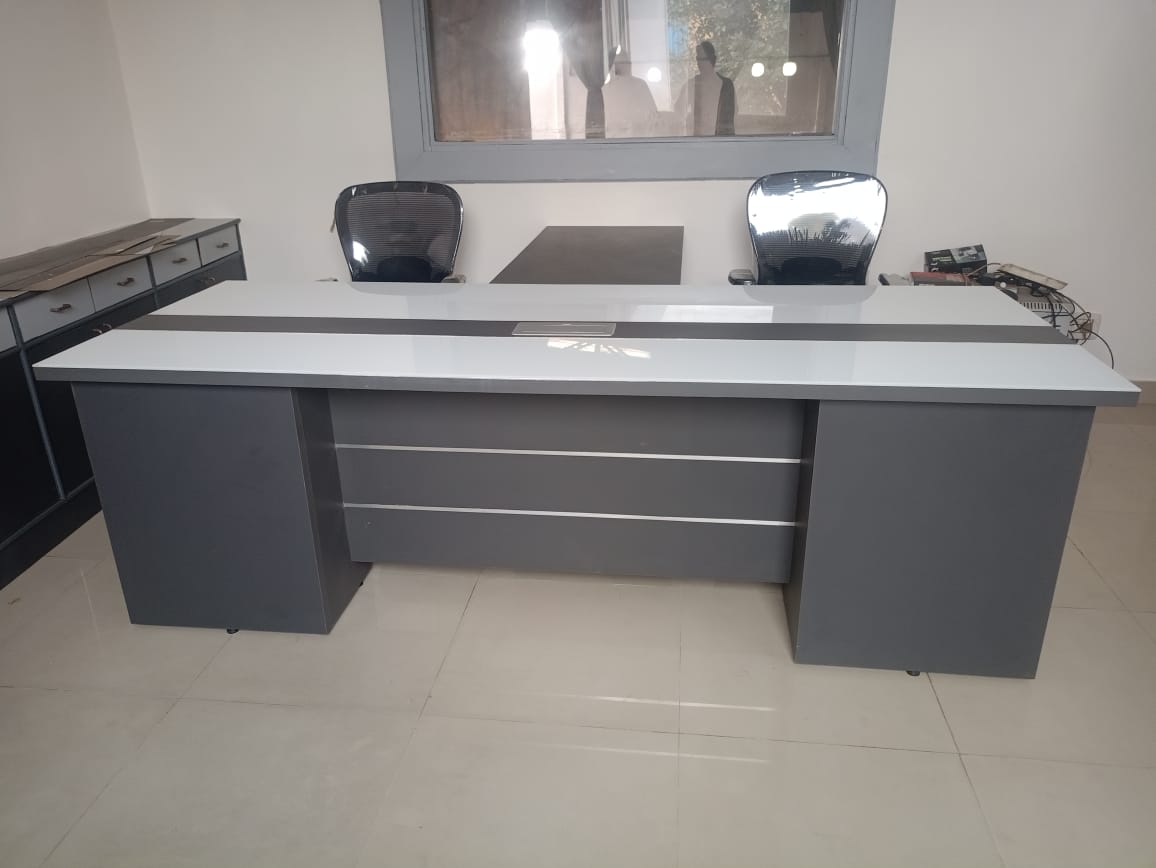
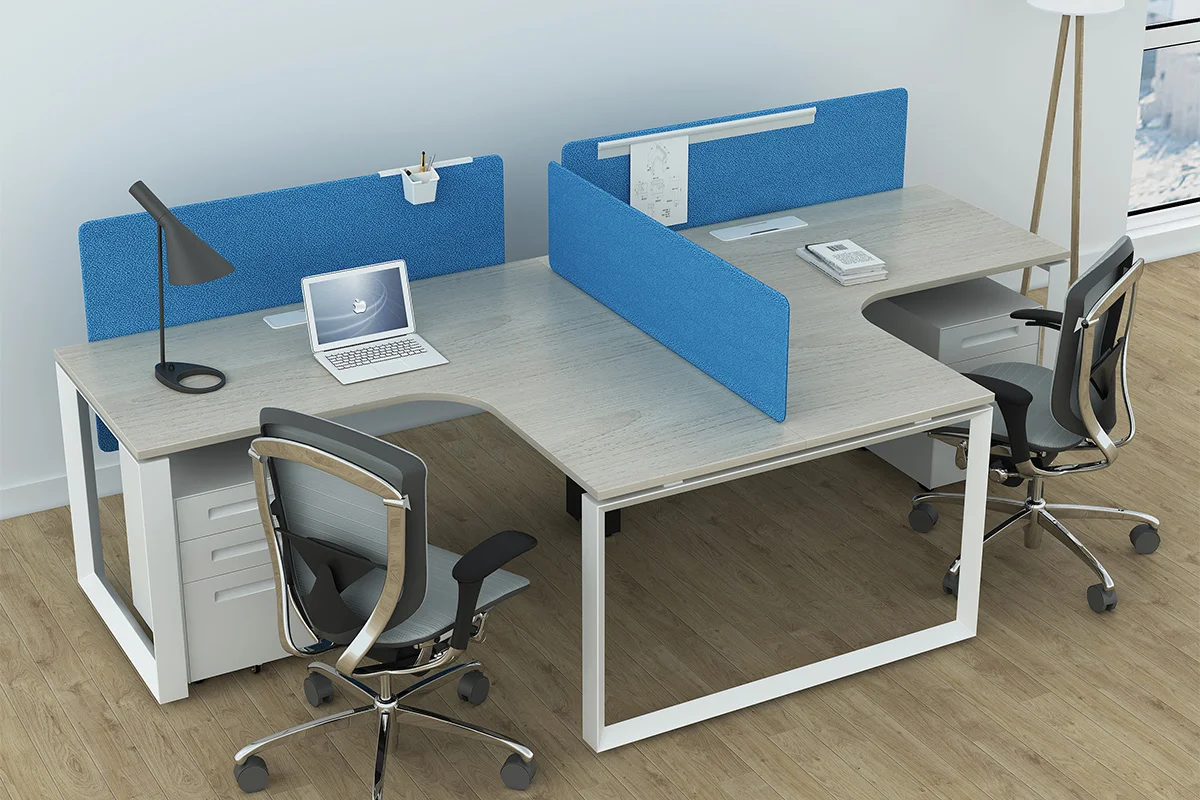

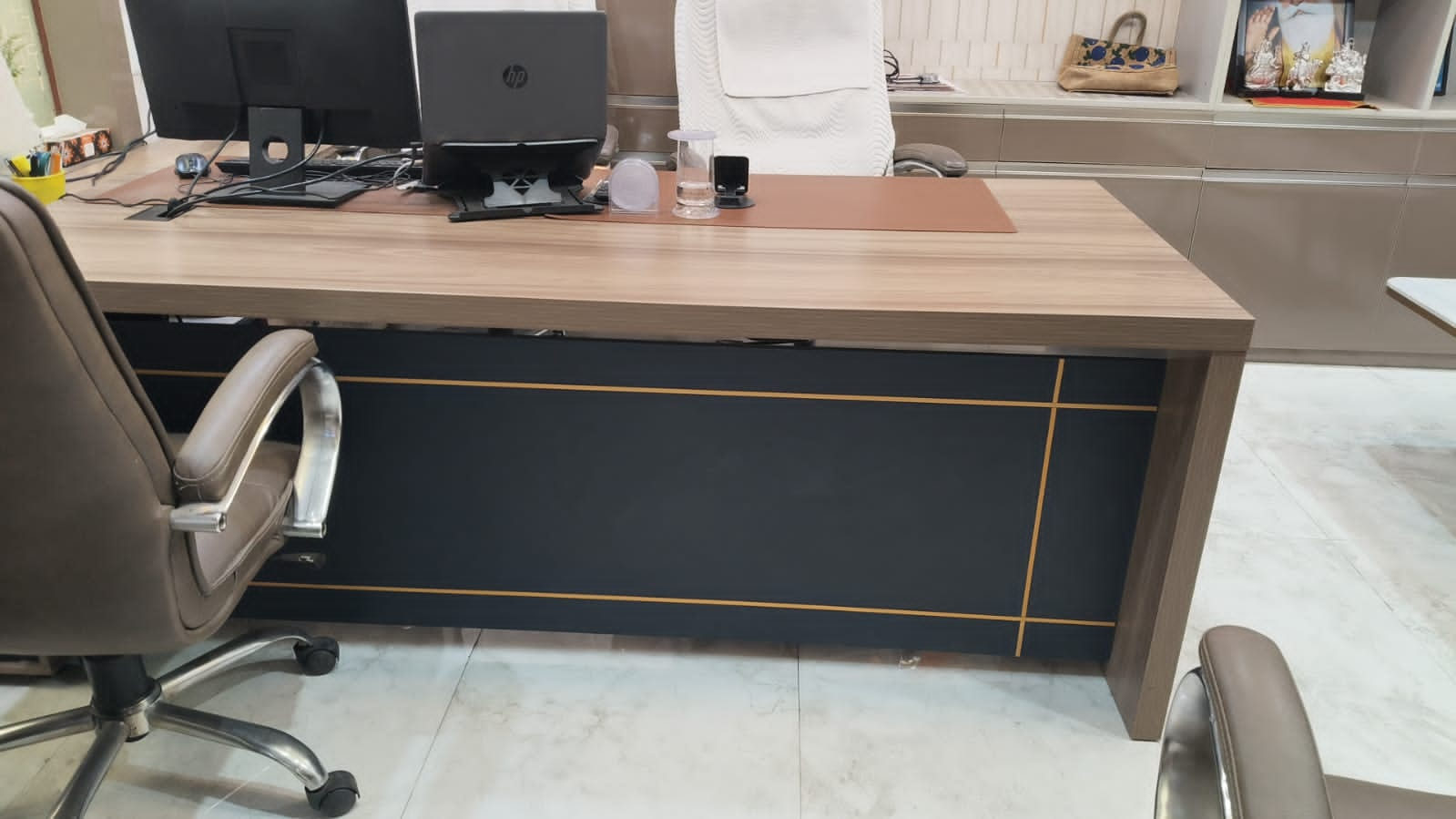
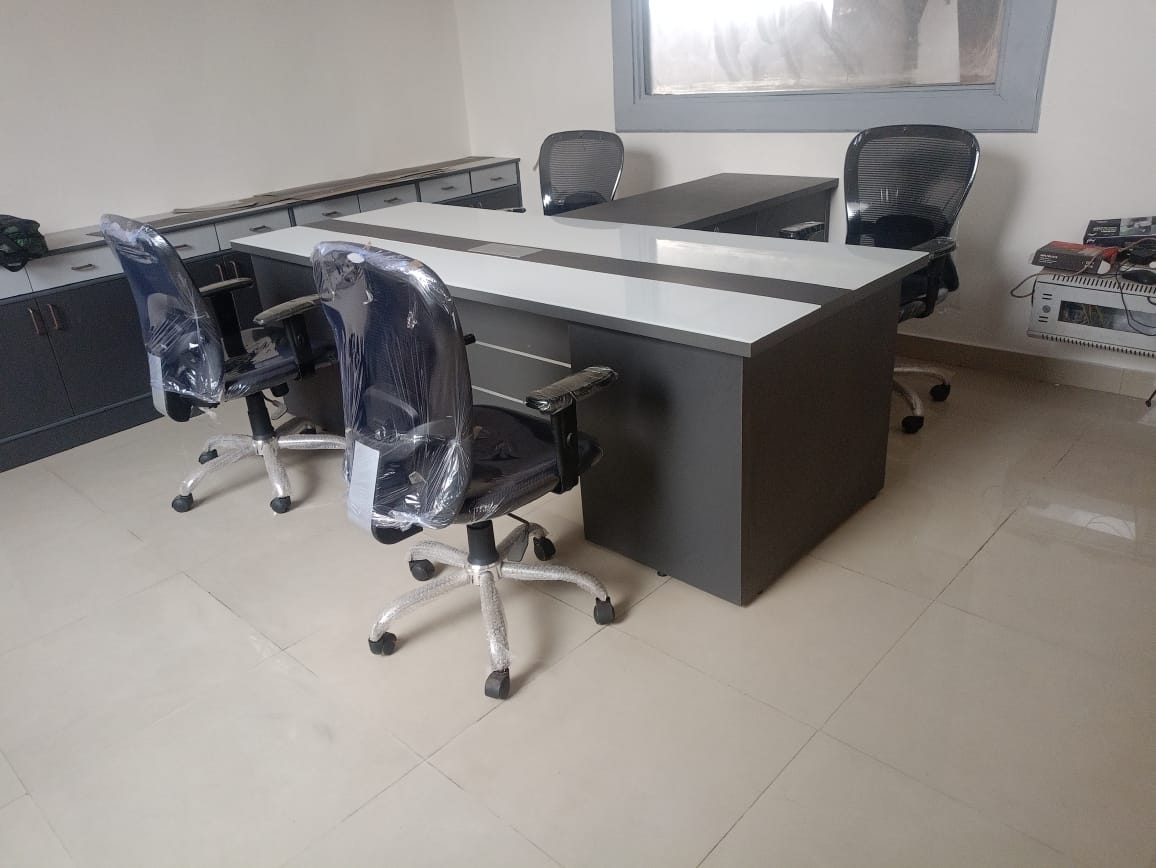
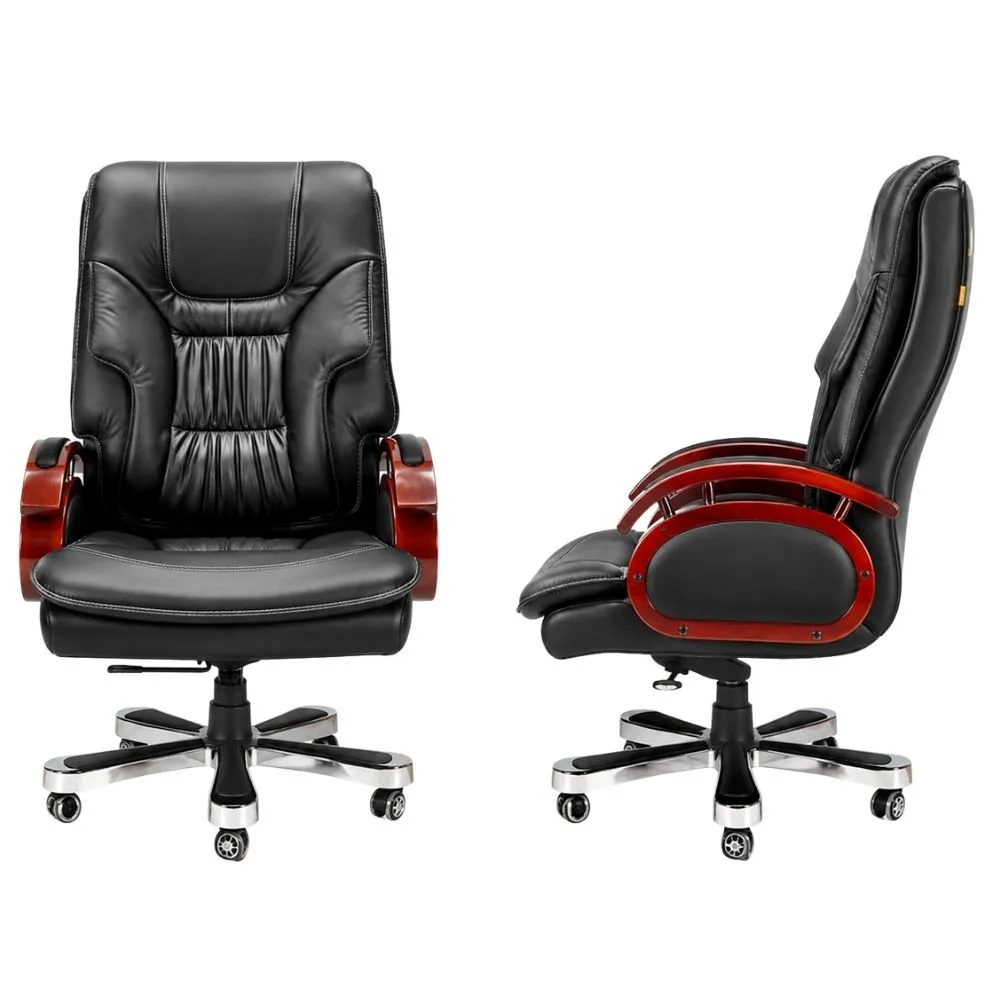




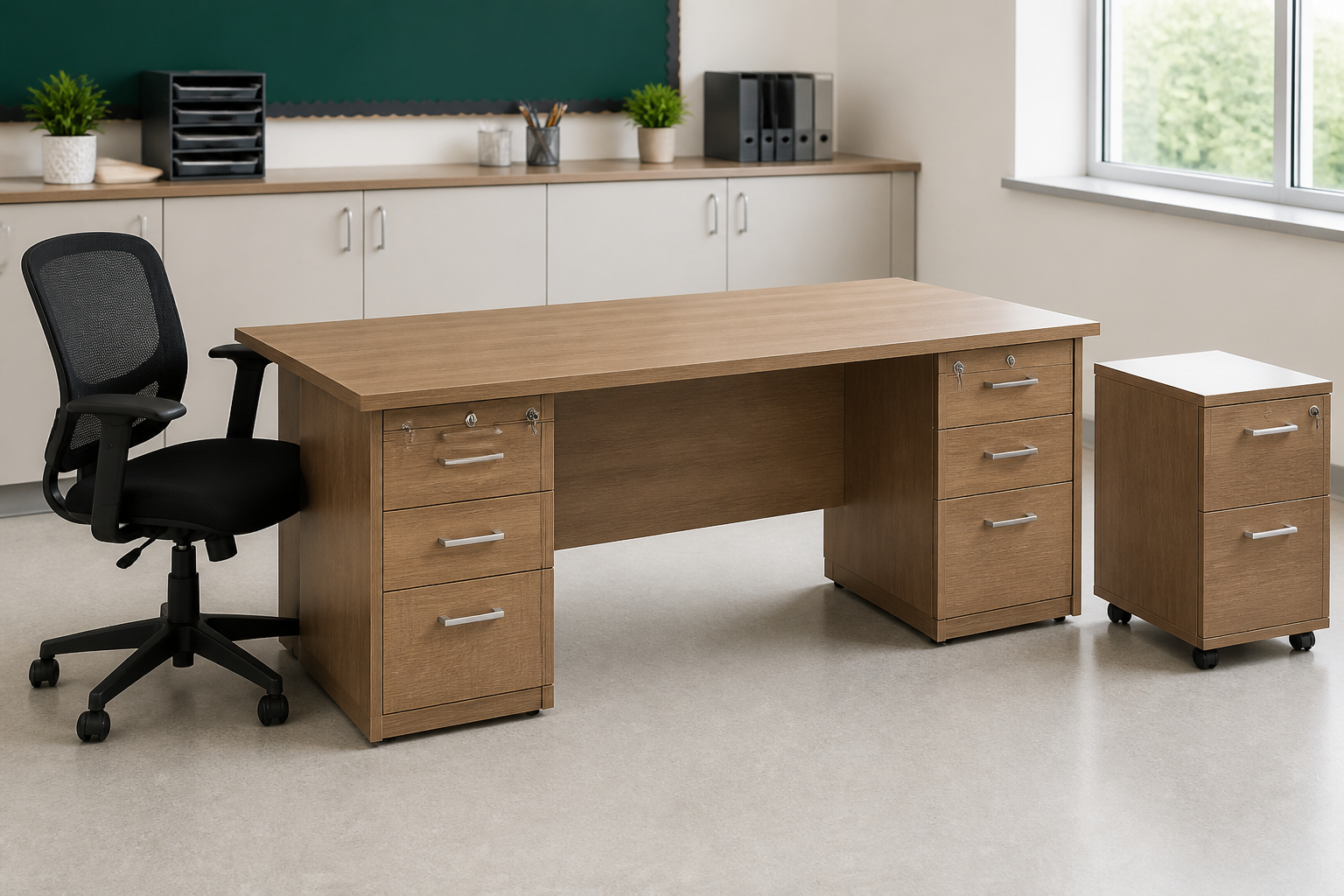

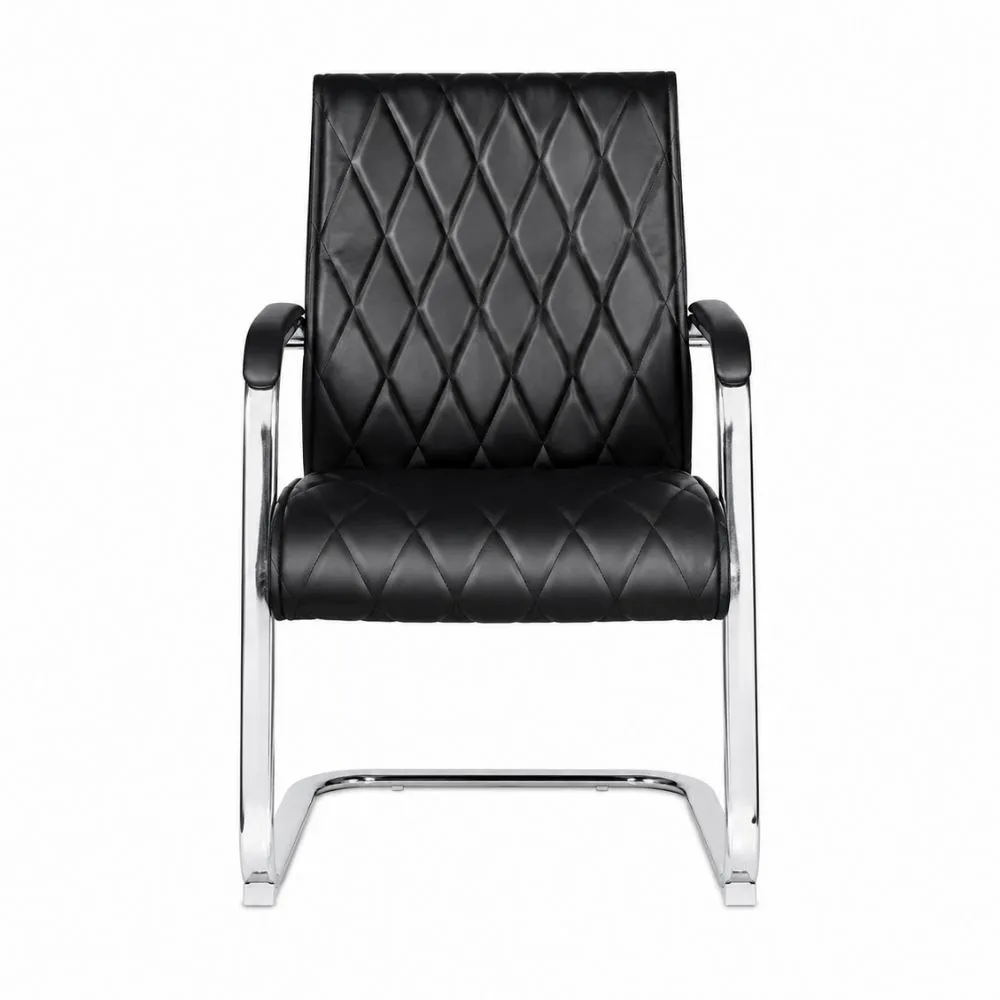
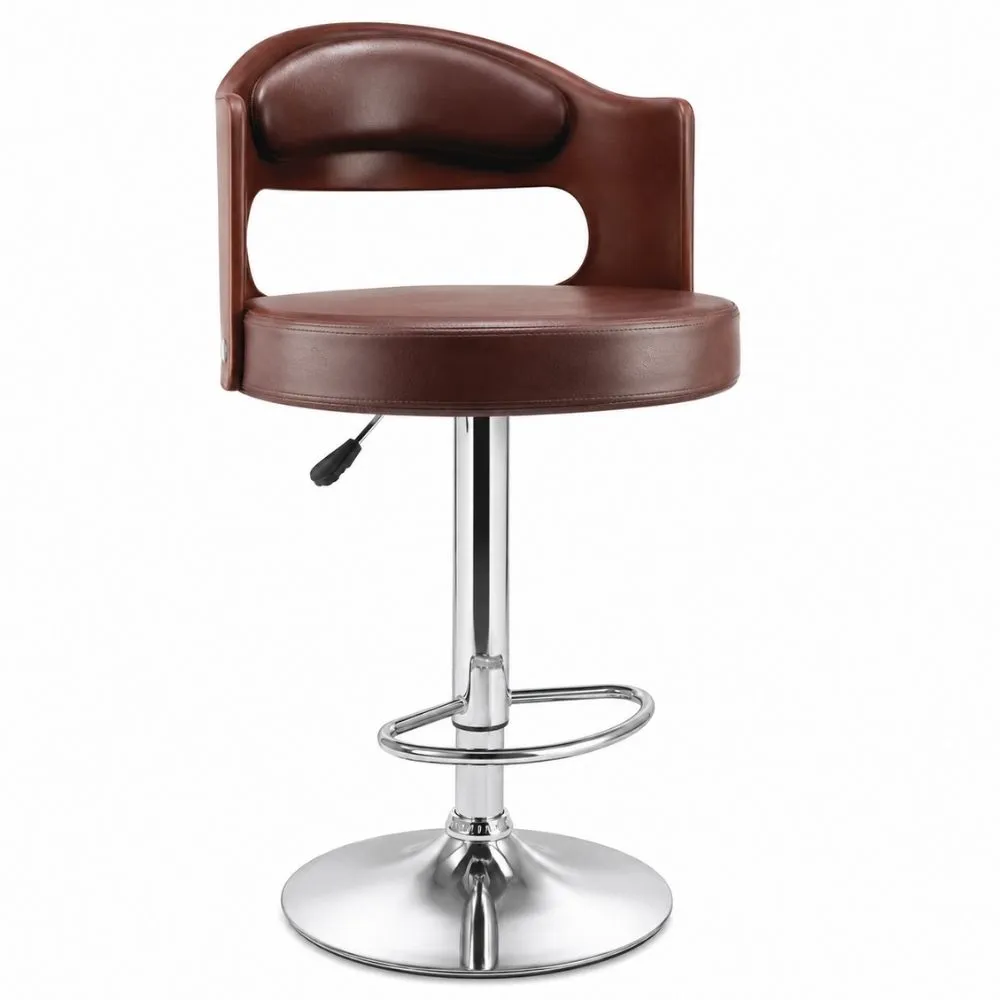
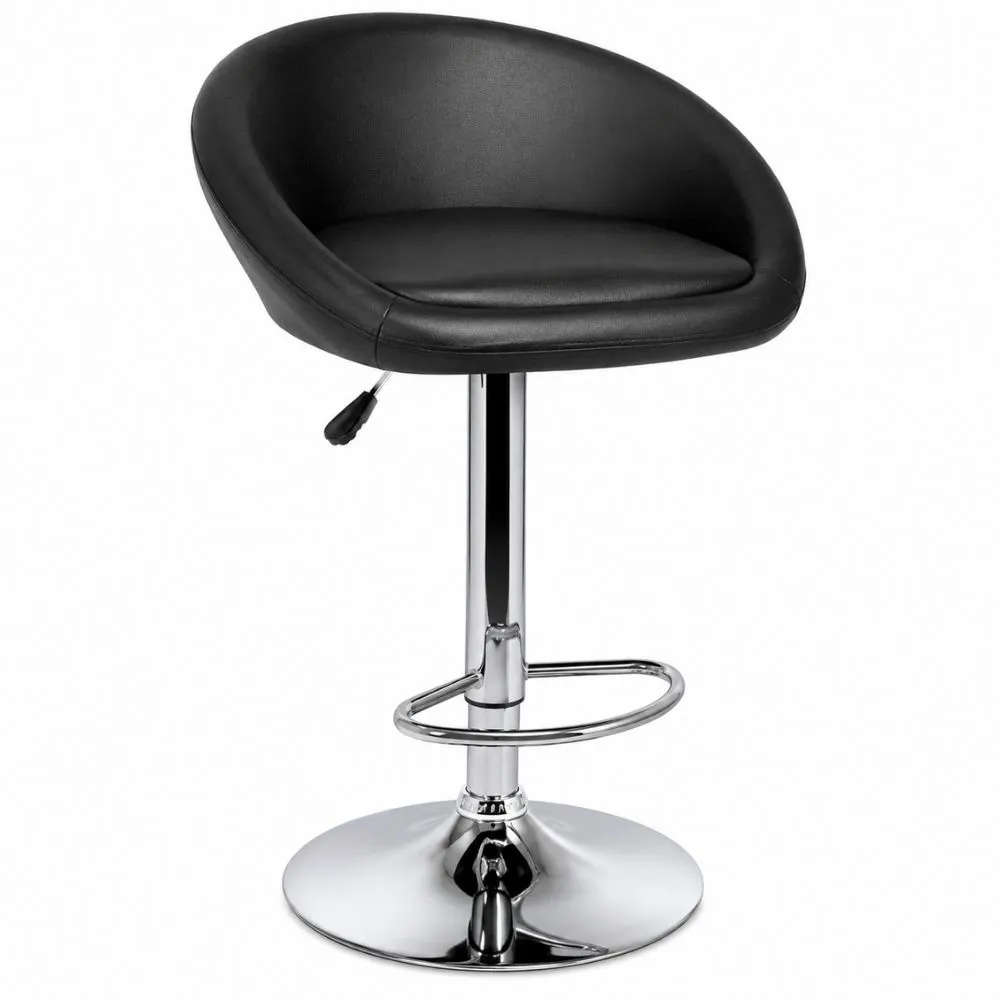



Selection of office chairs for a small group is rather simple. However, when there are 100-500 people in a call center, it becomes more difficult.
Some employees will share a single chair during different shifts. Some require more back support, while others require a certain height of the seat or armrest. At the same time, the company needs to take into consideration such aspects as maintenance, durability, delivery and the overall budget. That is why the choice of office chairs for call centers requires more careful planning than simply choosing chairs according to their appearance and price.
The right chair should be comfortable, adjustable, durable and convenient to use in practice. It should also be compatible with the current desk and computer configuration. In this article we discuss what you should pay attention to prior to buying bulk call center chairs.
What Type of Office Chair Is Best for a Call Centre?
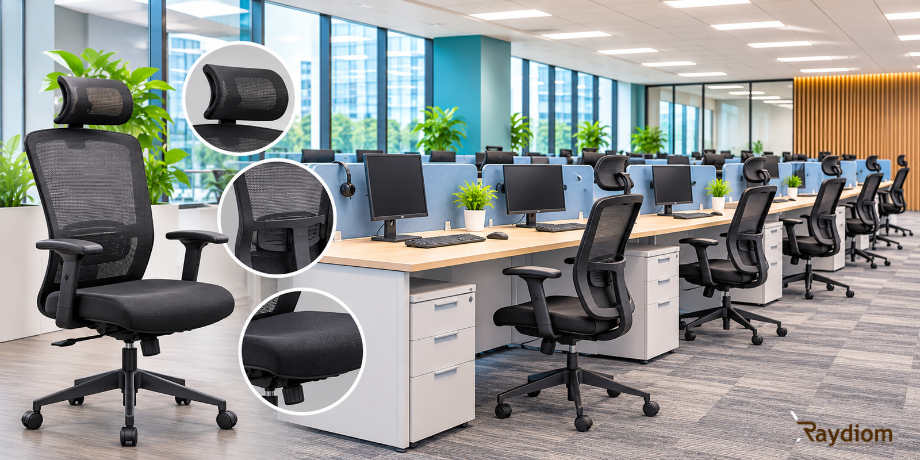
An ergonomic task chair seems to be a logical option for most of the call centre jobs on computer. It should be equipped with height adjustment, proper lumbar support, cushioned seats, five-star base, and non-interfering armrests.
Adjustment becomes crucial where shared use of chairs among staff members on different shifts is common. But still, there is no chair which fits all the employees. Trying various designs prior to making a bulk order seems to be more practical.
1. Understand How Your Call Centre Operates
Before comparing chairs, review how employees use their workstations. A call centre operating one shift may have different furniture requirements from a facility operating throughout the day and night.
Ask these questions:
- How many workstations are used simultaneously?
- Are chairs shared between shifts?
- How long are typical working periods?
- Do employees use fixed desks or adjustable workstations?
- Are there existing complaints about chair comfort?
- Are replacement chairs available when repairs are needed?
These details help determine the appropriate chair specifications. For example, a shared workstation needs controls that different employees can adjust easily without complicated instructions.
2. Prioritize Adjustable Seat Height
Adjustment of seat height can be described as one of the most important functions in a call center chair. Individuals vary in body size and shape, and a non-adjustable chair might not be appropriate for all employees.
The chair needs to offer enough room for the employees to be able to keep both feet on the floor while working comfortably. Height of the keyboard as well as that of the desk must be taken into account. An individual who adjusts the chair to comfortably reach the keyboard may find himself or herself unable to keep the feet on the floor.
Buying tip: During sample testing, check whether shorter and taller employees can adjust the chair comfortably.
3. Check Backrest and Lumbar Support
Call centre employees frequently work with computers while handling calls, customer records, and digital systems. A suitable backrest should support the user's lower back and allow comfortable changes in sitting position.
When evaluating ergonomic office chairs, consider:
- Backrest shape and size
- Lumbar support position
- Recline adjustment
- Backrest stability
- Ease of operating adjustment controls
Some chairs come with an adjustable backrest, while some have a contoured backrest. One should not be judged according to how it looks. Have employees sit in the chair doing computer tasks instead of simply sitting in the chair for a few seconds.
4. Select Comfortable Seat Cushions and Materials
There can be many adjustment mechanisms in a chair that make it comfortable, but it might lack comfort if its seat is inappropriate. The seat must give enough support without being overly stiff and unsteady.
Its front portion must have a round shape to avoid unnecessary pressure on the knees. Mesh and upholstered chairs are commonly used. Backrest of mesh chairs gives ventilation, whereas seats of upholstered chairs come in various cushioning types.
Moreover, the material used must meet the criteria for easy cleaning, durability, and availability. For workstations that are shared, select those surfaces that can be cleaned following the manufacturer’s specifications. It shouldn’t be assumed that thick cushions necessarily result in greater comfort.
5. Evaluate Armrest Adjustability
Some armrests provide support for the forearms, but improperly positioned armrests can result in problems. When armrests are too high, workers will have to raise their shoulders. When armrests are too wide, workers will have to keep their arms away from the body.
Armrests can prevent chairs from moving close to the desk. Adjustable armrests can serve as an option that will fit all types of workers.
Before purchasing armrests, find out if workers can place the chair close to the desk when operating the keyboard and mouse. For some workstations, it is advisable to get either adjustable or low armrests.
6. Check Chair Stability and Movement
Chairs for call centre purposes need to maintain stability while sitting and moving around. Five-star bases have been known to provide stability to most ergonomically-designed office chairs.
Inspect the type of materials used to make the base, casters, swivel mechanism, and maximum weight capacity by the manufacturer. The casters also need to match the floor on which the chair will be used.
For instance, chairs that will be used on a hard floor may not need the same features as the ones that will be used on a carpet. Try moving the chair during your inspection and see whether it remains steady.
7. Consider Multi-Shift and Extended Use
A number of BPOs and customer services facilities use the same type of furniture during all shifts. This may accentuate the need for robust parts and easy-to-service furniture. Nevertheless, it should be kept in mind that not every office chair can withstand constant shifts. In case your facility works on 24-hour cycle, make sure you clarify this with the supplier.
Request written information about:
- Intended usage conditions
- Maximum supported user weight
- Warranty exclusions
- Gas-lift and mechanism coverage
- Replacement components
- Recommended maintenance
Do not assume that a chair described as ergonomic is automatically suitable for continuous operation.
8. Test Chairs Before Ordering in Bulk
For a call centre with hundreds of employees, sample testing is particularly valuable. Instead of selecting a chair entirely from a catalogue, shortlist a few suitable models and arrange a structured trial. Include employees of different heights and body proportions. Where practical, test chairs during normal working activities over several shifts.
Ask users to assess:
- Seat comfort
- Back support
- Adjustment controls
- Armrest positioning
- Stability
- Compatibility with existing desks
Record recurring issues rather than relying on a single positive or negative comment.
Practical example: If shorter employees consistently struggle to place their feet on the floor, investigate the chair's adjustment range and workstation height before approving the model. This approach can reveal problems that are difficult to identify from photographs or specifications alone.
9. Calculate the Actual Number of Chairs Required
A company employing 300 people does not mean that there would be 300 chairs to work at. It will depend on how many workstations will be functioning together, how overlapping will be between shifts, and if all of them will have individual chairs. To illustrate the point, assume the situation in which there is an office that employs 300 people but has only 150 stations to work simultaneously.
Since the workstations could be shared among employees during different shifts, the firm might need 150 operational chairs from the very beginning, instead of buying a chair for each employee. A couple of extra chairs would also be needed in case of repairs.
10. Compare the Total Cost, Not Just the Purchase Price
Bulk office chair purchasing involves more than the unit price. A lower-priced chair may have different materials, adjustment features, warranty terms, or maintenance requirements. Compare quotations using consistent specifications.
Consider the following costs:
| Cost Component | What to Check |
| Chair purchase | Unit price and quantity |
| Delivery | Freight and unloading |
| Assembly | Installation charges |
| Maintenance | Cleaning and servicing |
| Repairs | Replacement parts and labour |
| Replacement | Expected procurement needs |
For example, a quotation for 200 chairs should clearly state whether delivery, assembly, taxes, and warranty services are included. This helps procurement teams compare offers fairly.
How to Choose a Bulk Office Chair Supplier
The reliable supplier should be able to give the specifications, realistic delivery information, and warranty conditions in writing. When comparing an office chair manufacturer, dealer or wholesaler, you must know if the goods are made by that company or not.
For large orders, confirm:
- Product model and specifications
- Sample approval process
- Available customization
- Delivery schedule
- Installation responsibilities
- Warranty conditions
- Spare-parts availability
- Procedure for damaged or defective products
Businesses purchasing office chairs in Noida, Ghaziabad, or Delhi NCR should also confirm delivery coverage and after-sales service availability for their specific location. Avoid choosing a supplier solely because the quotation is the lowest.
Common Mistakes to Avoid
Several purchasing mistakes can make a large chair order less suitable for everyday use.
Selecting chairs on the basis of their looks: An advanced-looking chair is not necessarily ergonomic.
Not considering individual needs of your workers: Your workers may need adjustable or limited-adjustable chairs.
Not testing samples: The catalogues cannot prove the ergonomics of the chairs.
Neglecting maintenance: There may be maintenance needs of certain parts such as castors, armrests, and gas lift.
Ordering chairs without verifying the size of the desk: A good chair will become useless if used with an unsuitable work station.
Thinking that all chairs can operate 24 hours: Operating conditions and warranties of chairs must be considered.
Avoiding these mistakes can help businesses make a more informed purchasing decision.
Final Thoughts
Selection of office chairs for a call center with between 100 to 500 workers needs to be made with due diligence. Just because an office chair is very costly does not mean it is the best choice.
Also, going for the lowest bid in bulk does not guarantee that you get the best deal. The factors that need to be considered include how the employees operate at the stations, whether the chairs are adaptable and how they will operate under the desired working conditions.