


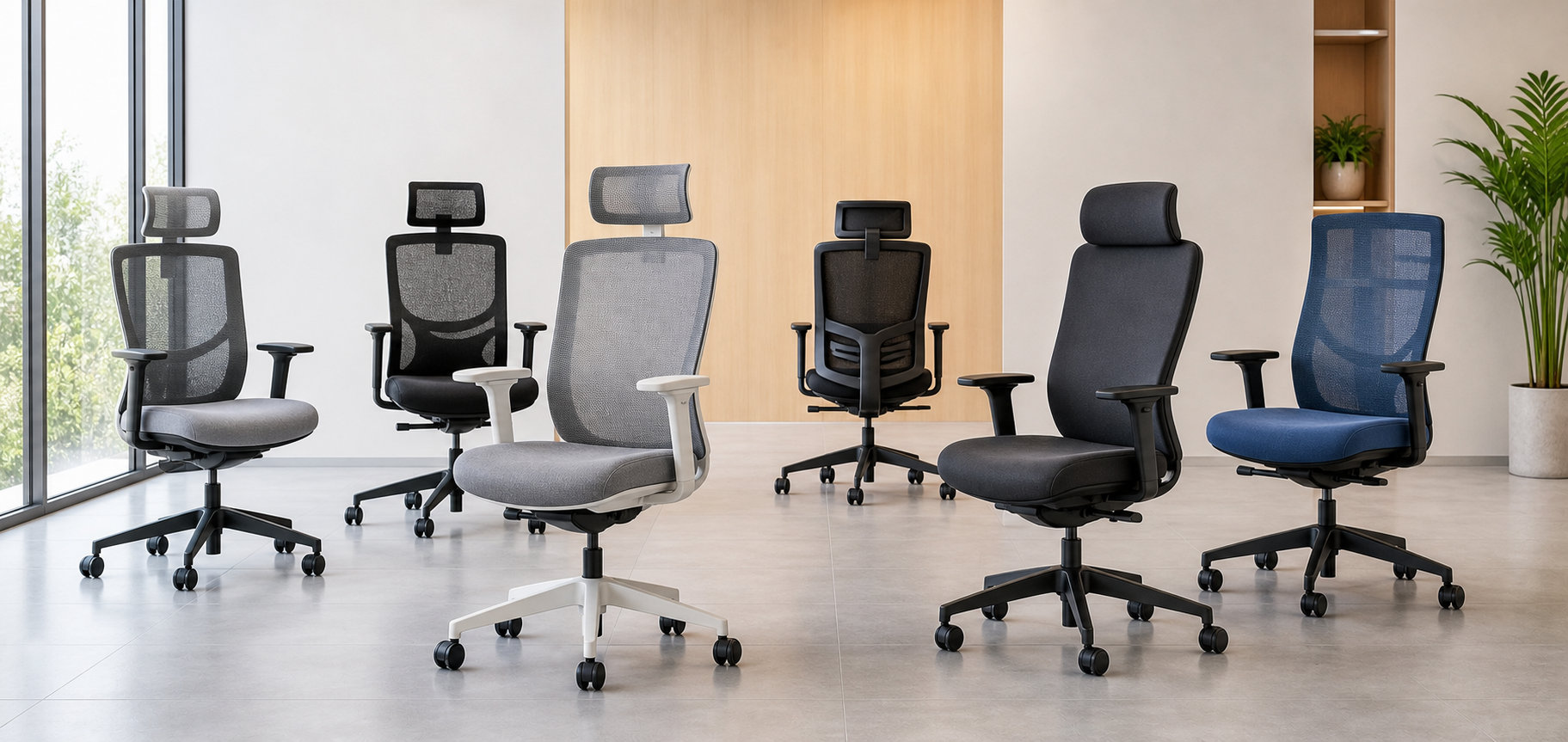
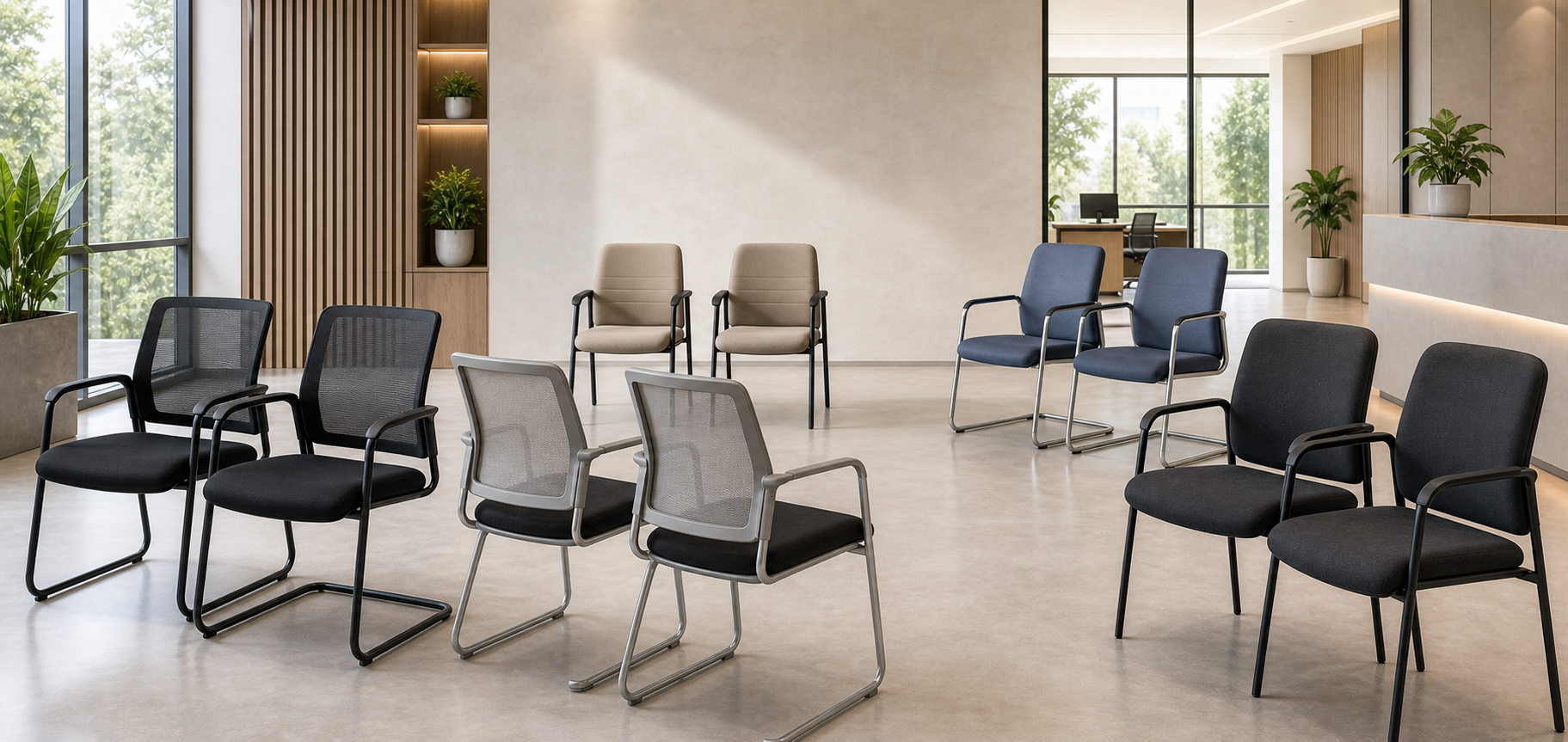
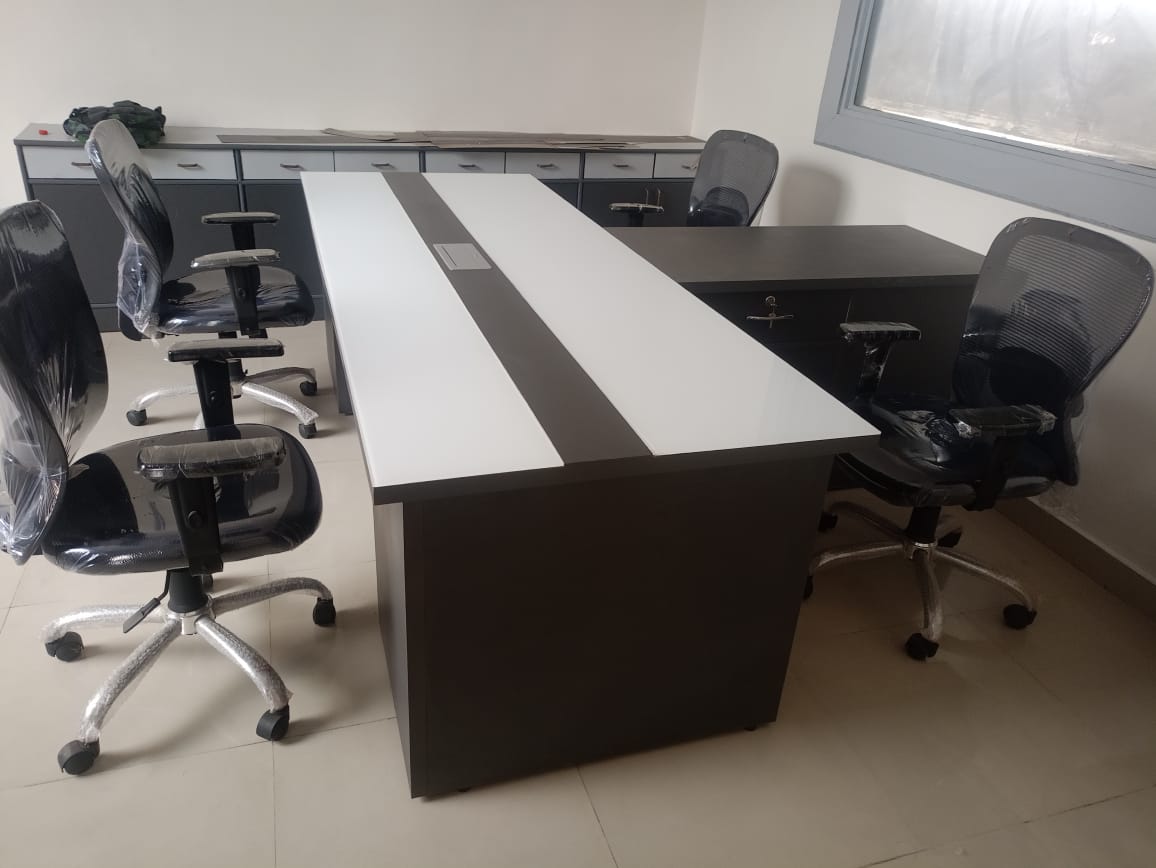

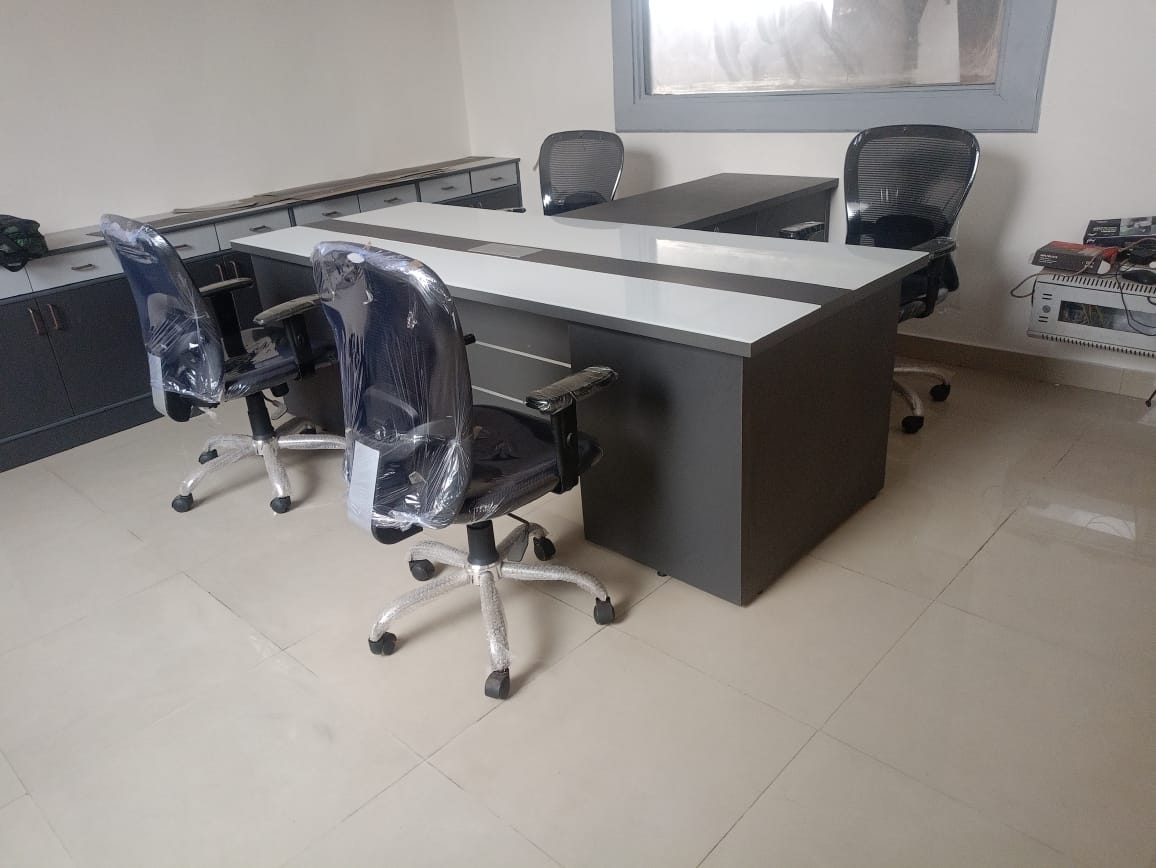
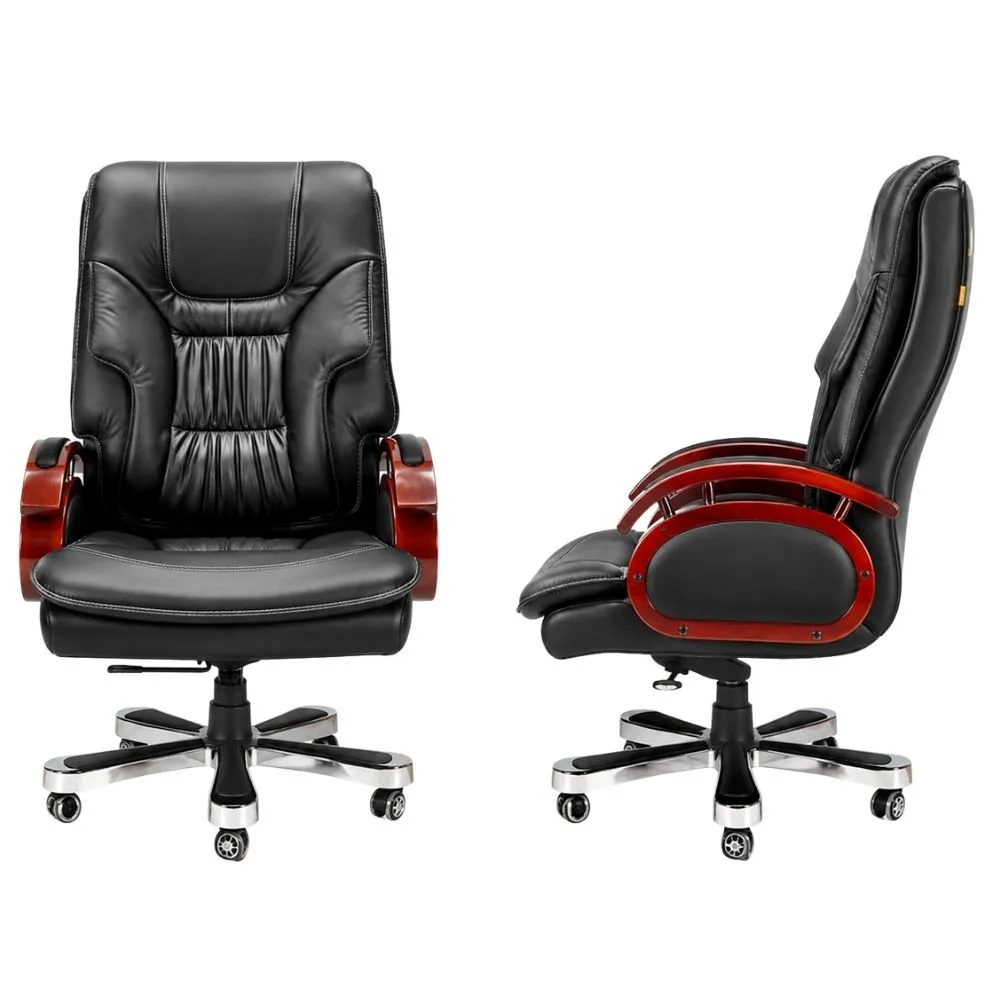
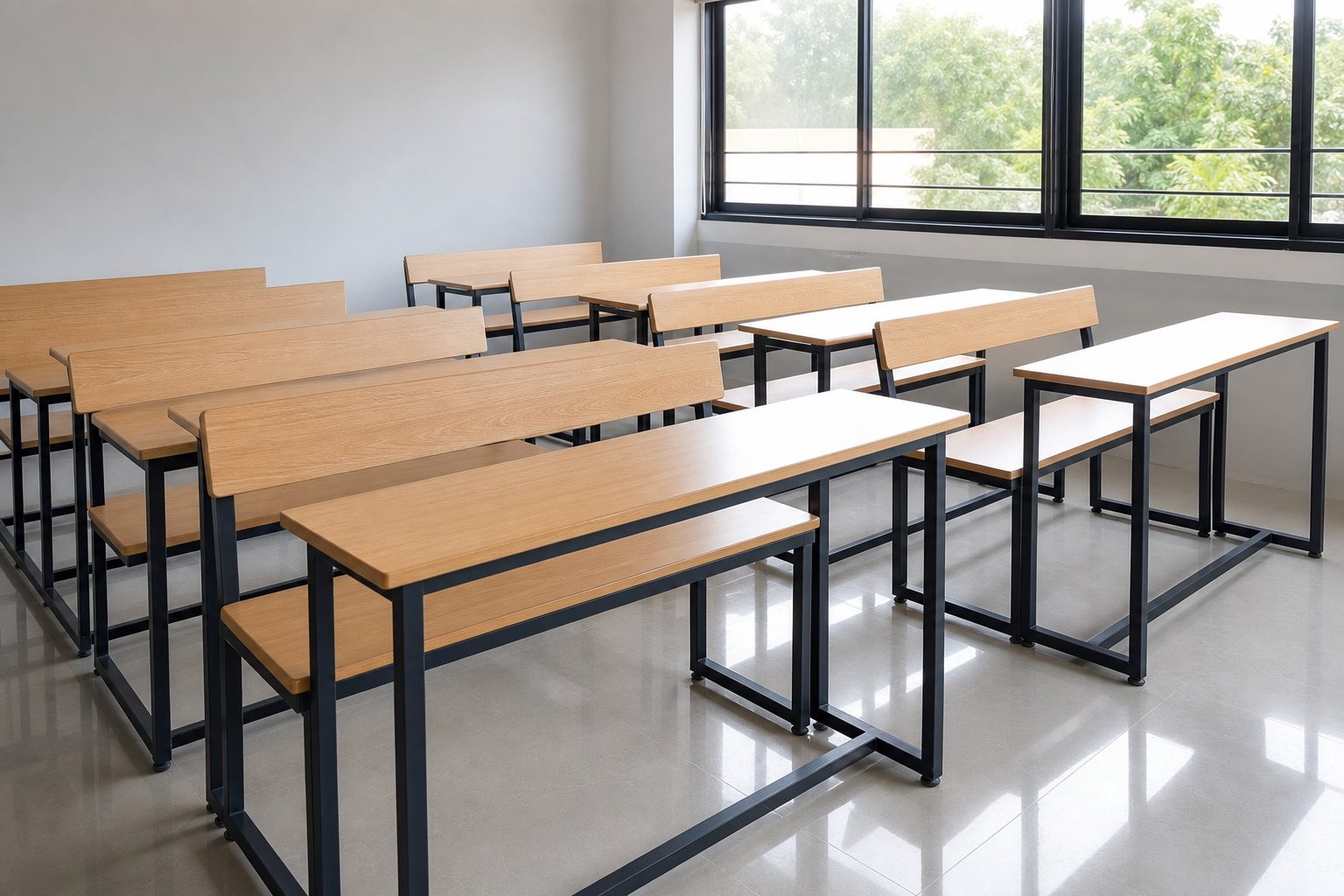
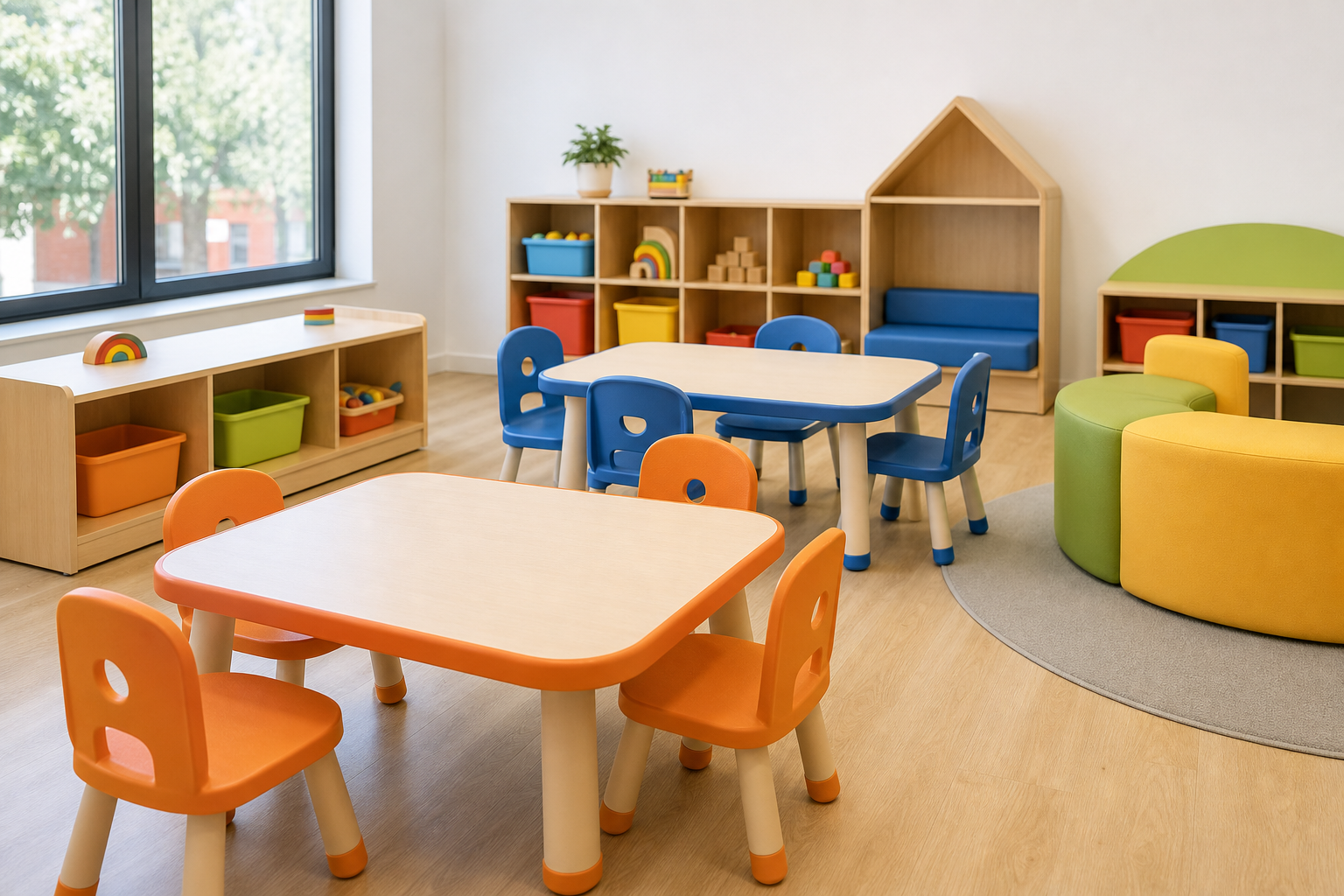
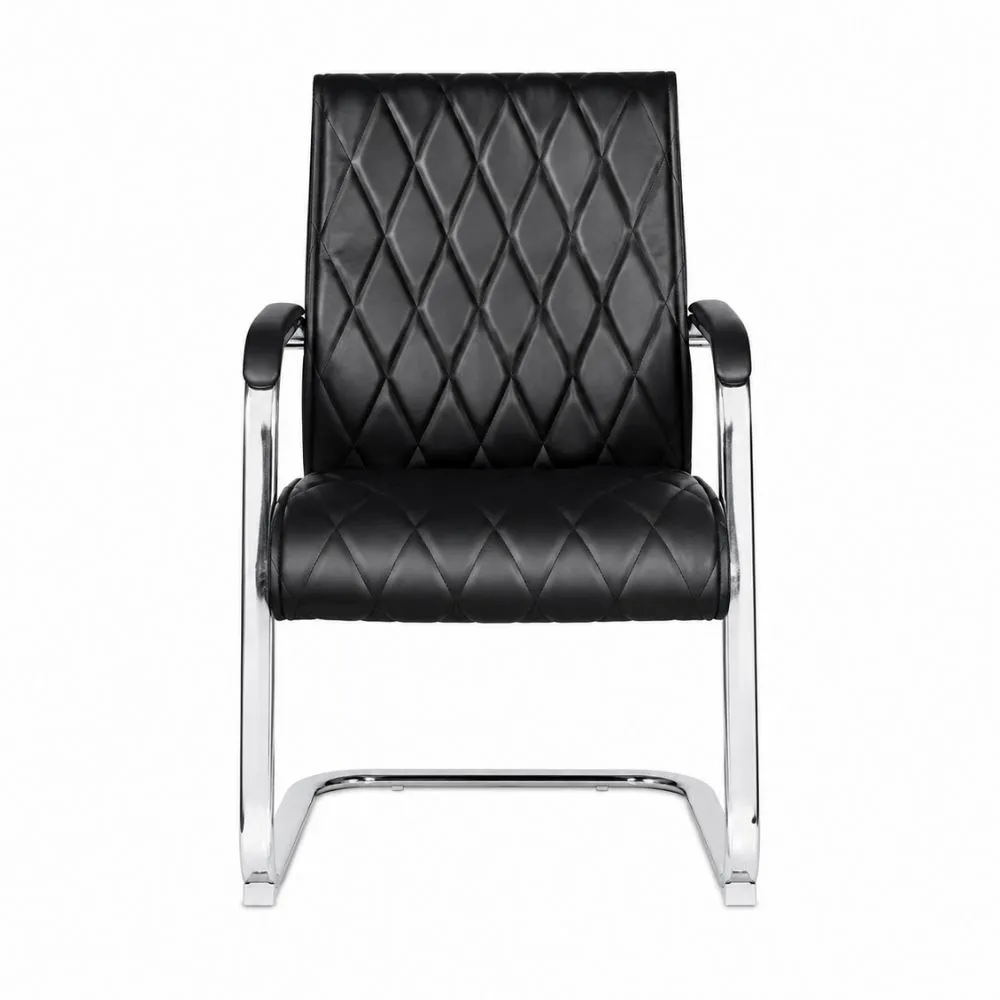
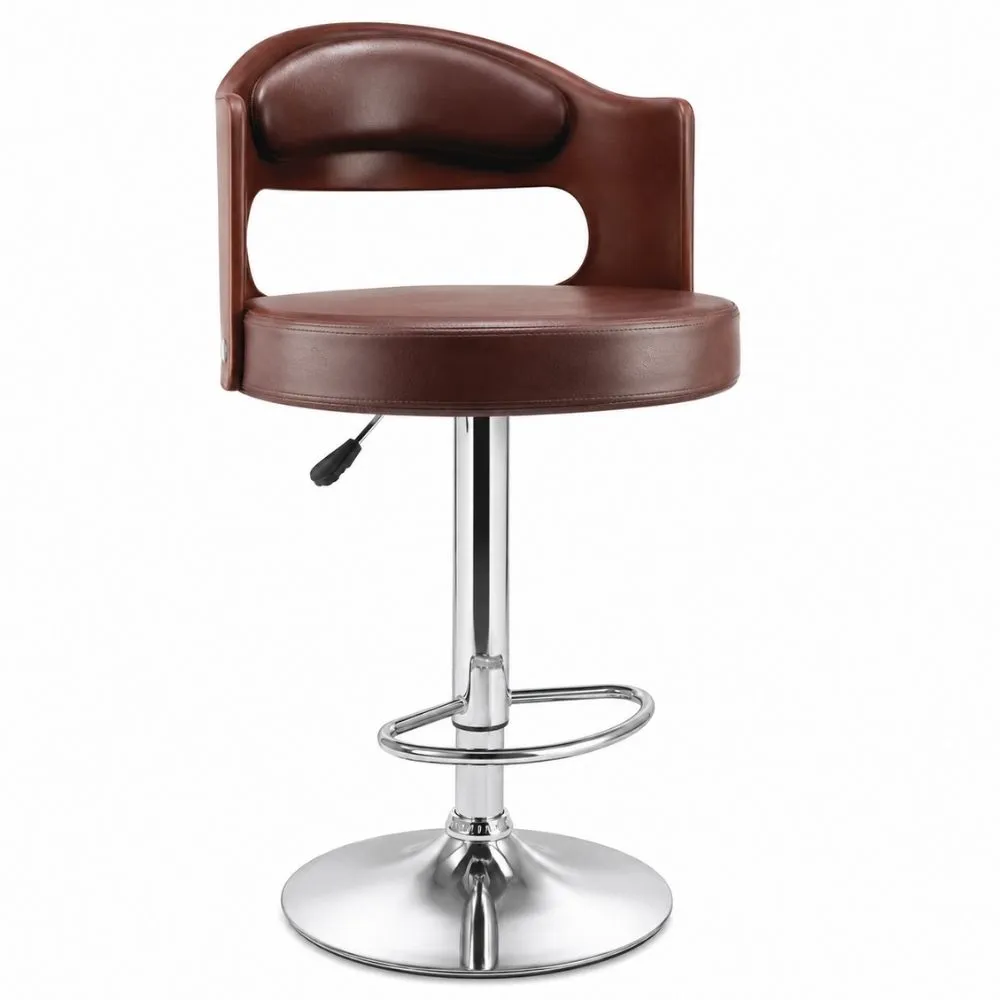
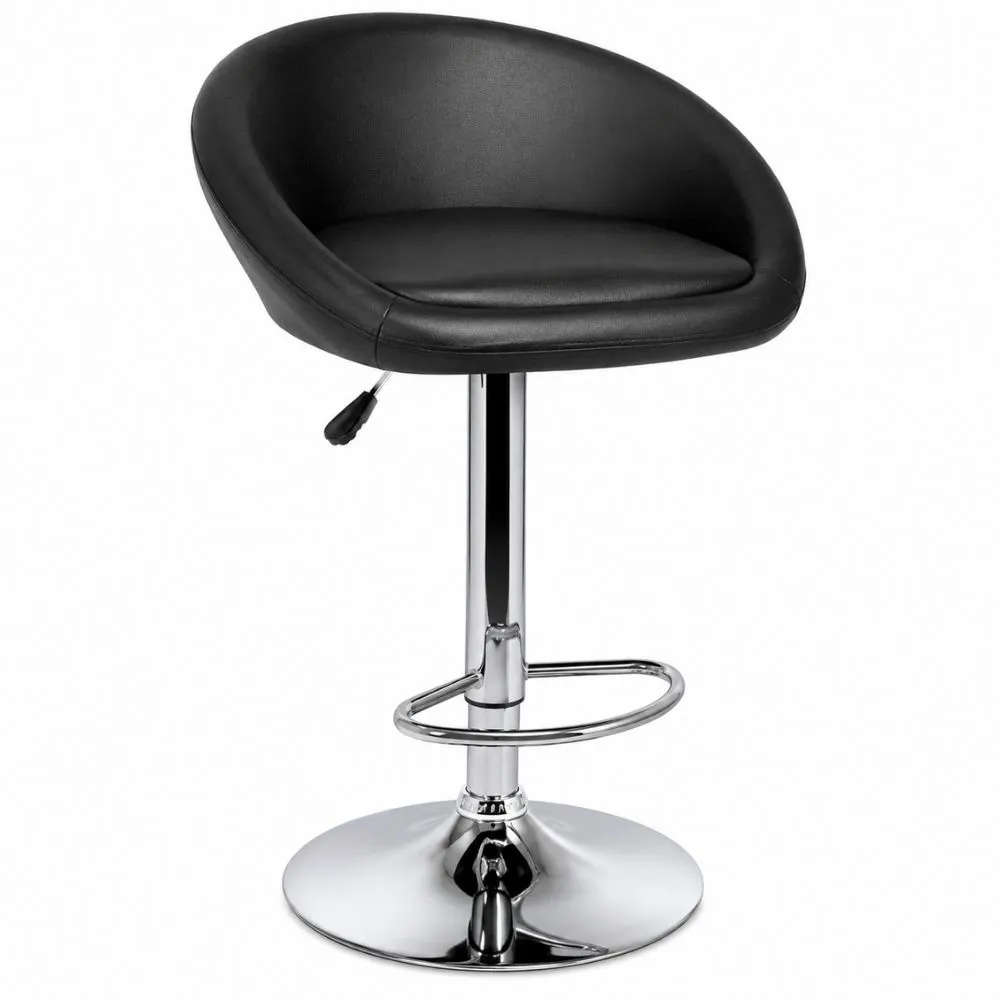

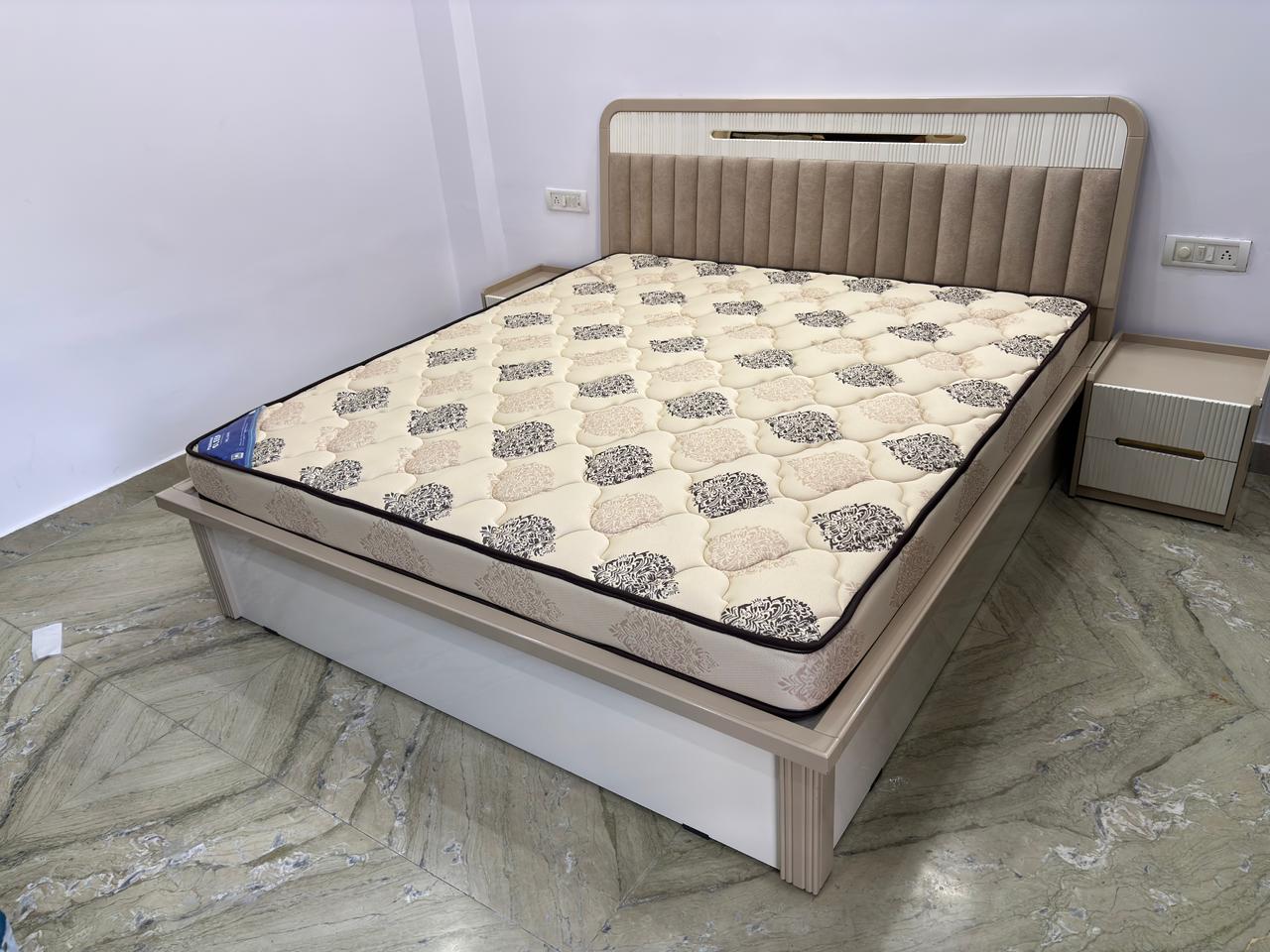
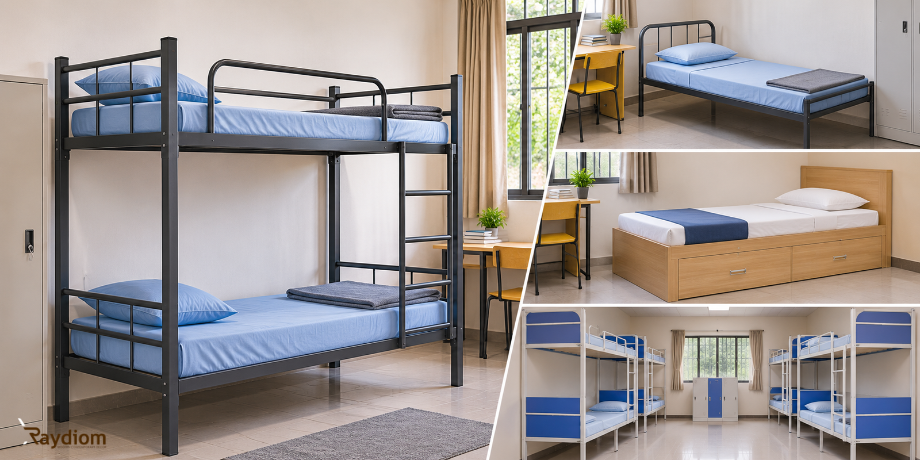
The furniture that one buys for a hostel is quite different from the furniture that one would choose for a home. Furniture is shared by many students over a number of years in educational institutions such as schools, colleges, and hostels. The furniture has to be designed to match the available space and still be functional.
Buying institutional furniture in bulk is more than just trying to find cheap furniture; it involves looking for products that match the requirements of the students, room design, and that do not require too much maintenance.
In this buying guide on hostel furniture in 2026, you will get details of how to buy different types of furniture.
What Furniture Does a Student Hostel Need?
Hostel rooms generally have to provide beds, mattresses, study tables, chairs, wardrobes, and cabinets. Some other items that may be needed in common areas include dining tables, benches, notice boards, and lounging furniture.
The specific needs will depend on the age of the students, room occupancy, space availability, and operation mode of the institute. Prior to making any purchase, create a furniture list for each individual room.
1. Choose Suitable Hostel Beds
Beds are usually the first furniture item institutions consider because they determine much of the room layout.
Two common options are single beds and bunk beds.
Steel Hostel Beds
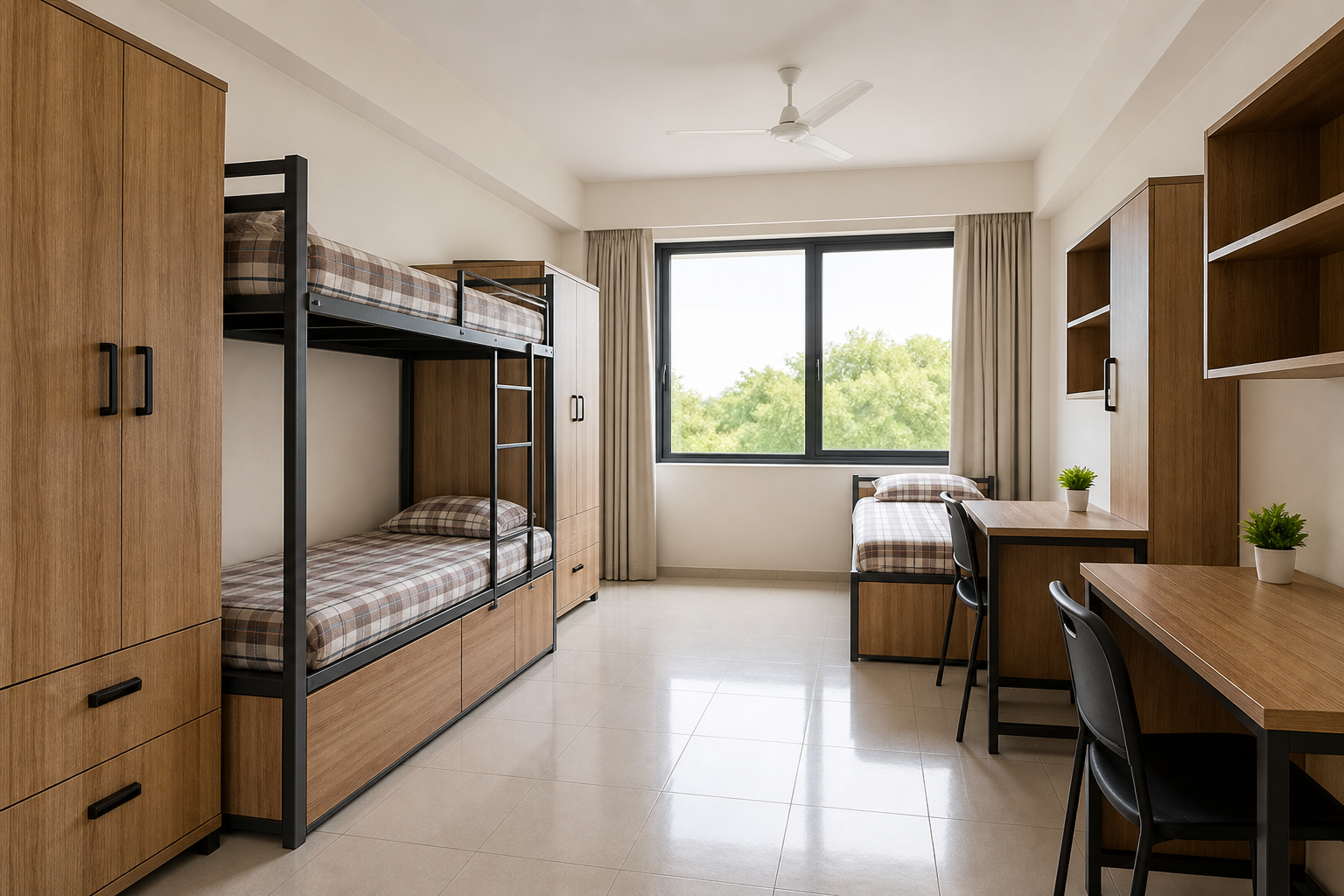
Steel hostel beds are ideal for use in schools, colleges, and other institutions where strong beds are needed. The relevance of using steel beds is based on many things such as bed frame strength, the process of welding, protection, and maintenance. Consider bed frame strength, mattress fit, edge, and clearance under the bed when selecting steel beds.
Institutional Bunk Beds
Institutional Bunk beds can provide two sleeping areas in an area of less space. But, there is also a need to ensure greater safety issues, including ceiling height, accessibility, and the right type of users.
Be sure that the guardrails, ladder, stability, and the manufacturer's recommendations are in place. Bunk beds are not always suitable for young children. It really depends on the residents and the building design.
2. Pay Attention to Bunk Bed Safety
Security should be topmost priority while purchasing institutional bunk beds. See to it that there are no sharp edges, weak joints, fastening system, and ladders that can prove to be dangerous.
It should have proper barriers on the upper bed and the right kind of mattress should be used on the bunk bed as prescribed by the manufacturer. Demand for the supplier with all necessary information like product standards, test certificates, instruction for assembling, etc.
In India, bunk beds fall under the Indian standard IS 17636 which deals with the safety, stability, strength, and durability of the bed. Institutional Bunk Beds for 2026 should comply with the BIS standards and certification of the supplier.
3. Select Durable Furniture Materials
Quality of the material plays an important role in the durability of the furniture that is used in everyday life in the hostel.
Steel Furniture
Steel and engineered wood were popular materials; however, their use depends on construction and maintenance.
Steel beds and steel furniture can be appropriate for those places that prefer metal furniture.
Engineered Wood Furniture
Engineered wood is mostly preferred when making desks, wardrobe cabinets, and storage cabinets. While testing the quality of these goods, pay close attention to board construction, edge coating, hardware, and ability to withstand the cleaning and moisture conditions it may be subjected to.
Both materials should not be chosen according to their aesthetic properties only. Inappropriate steel beds or wooden cabinets cause much trouble despite being cheap initially.
4. Choose Practical Hostel Study Tables and Chairs
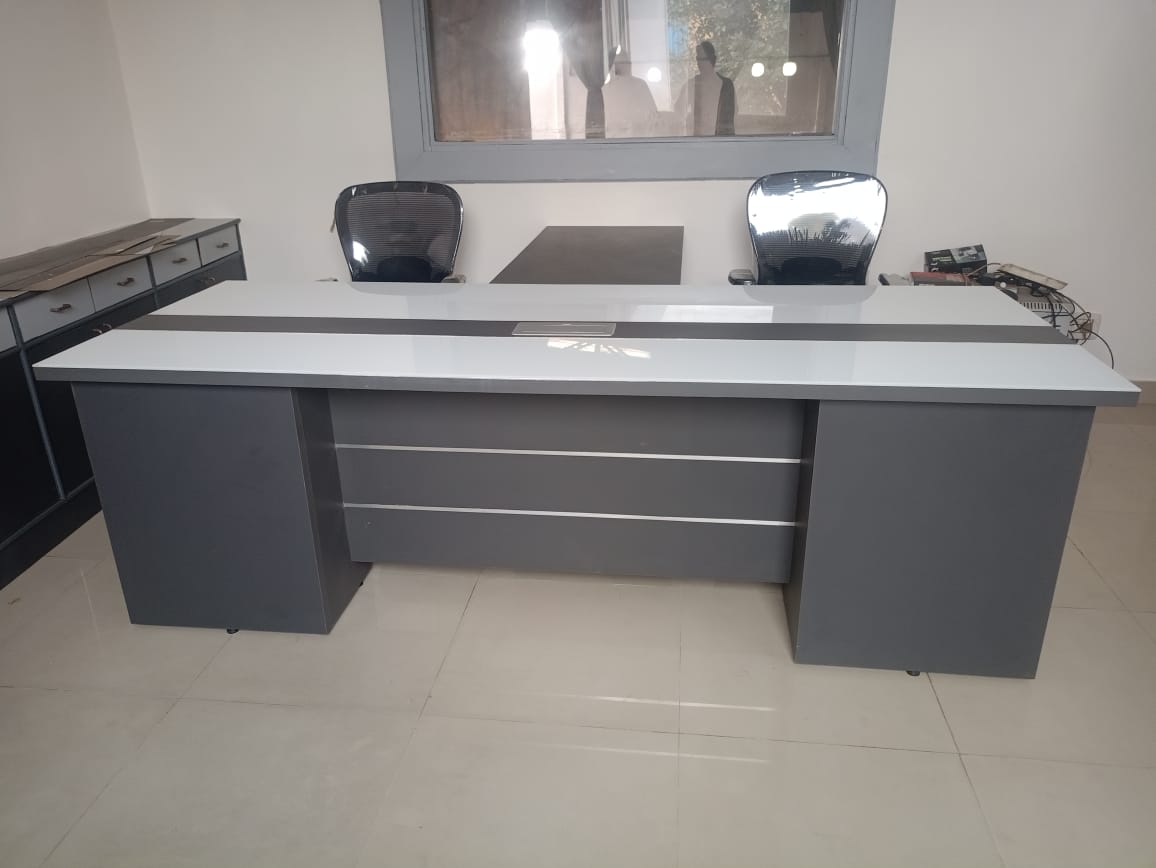
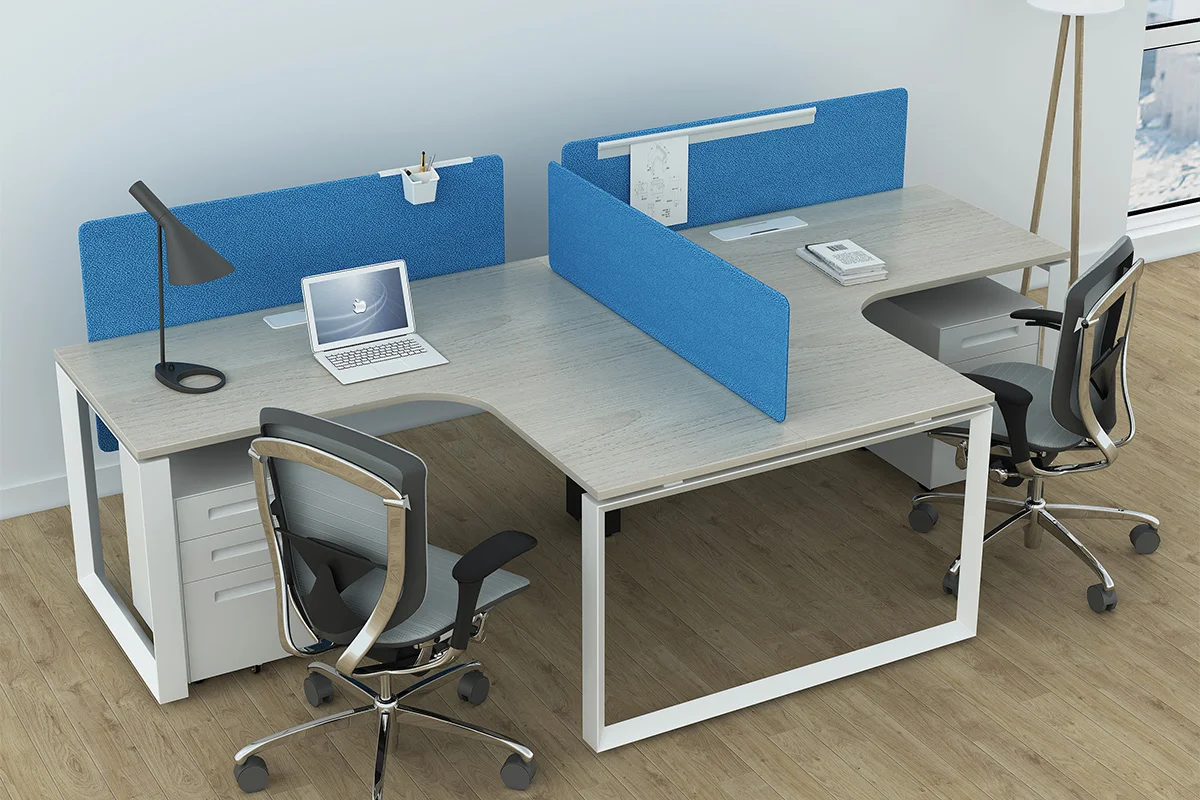
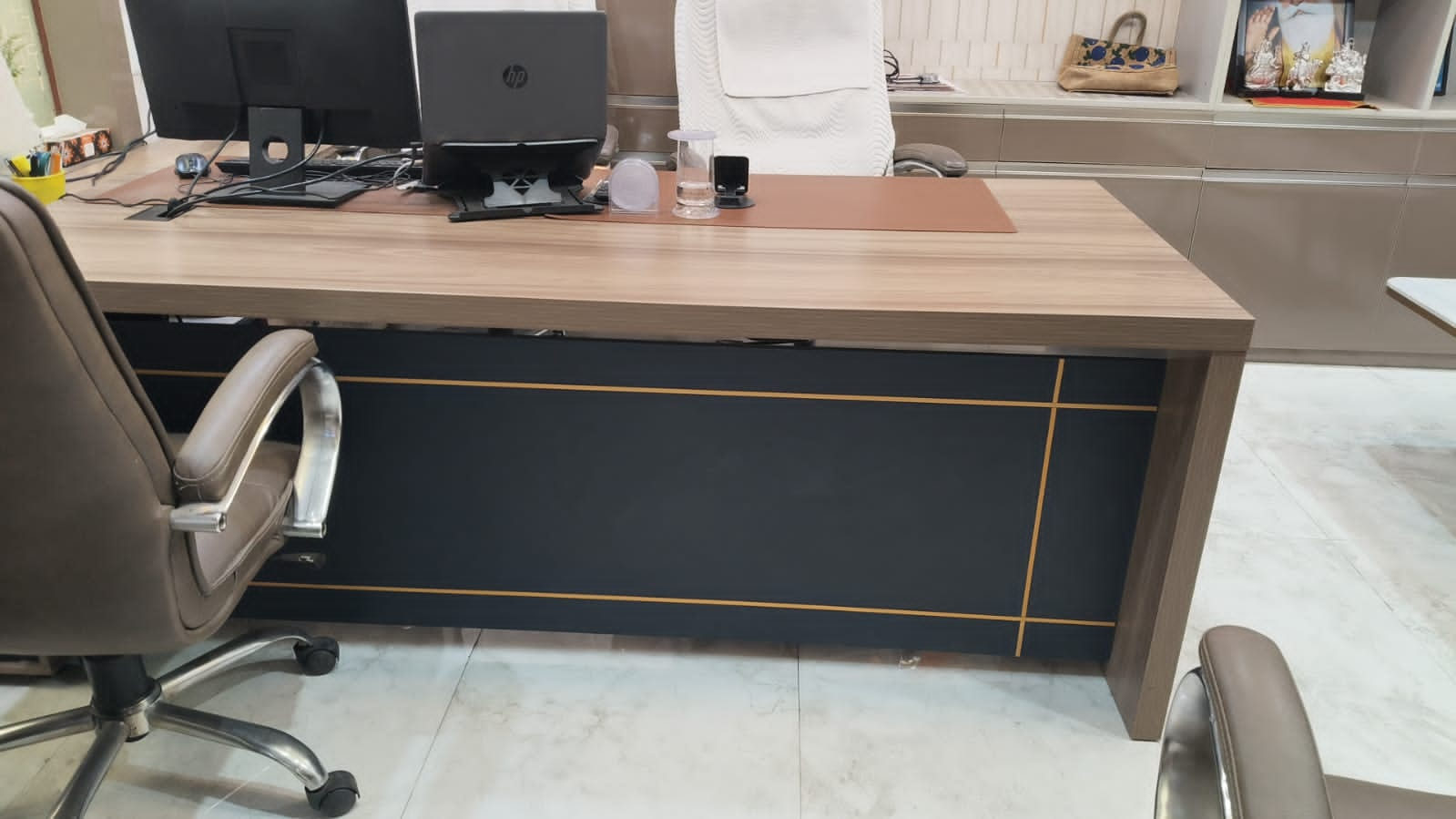
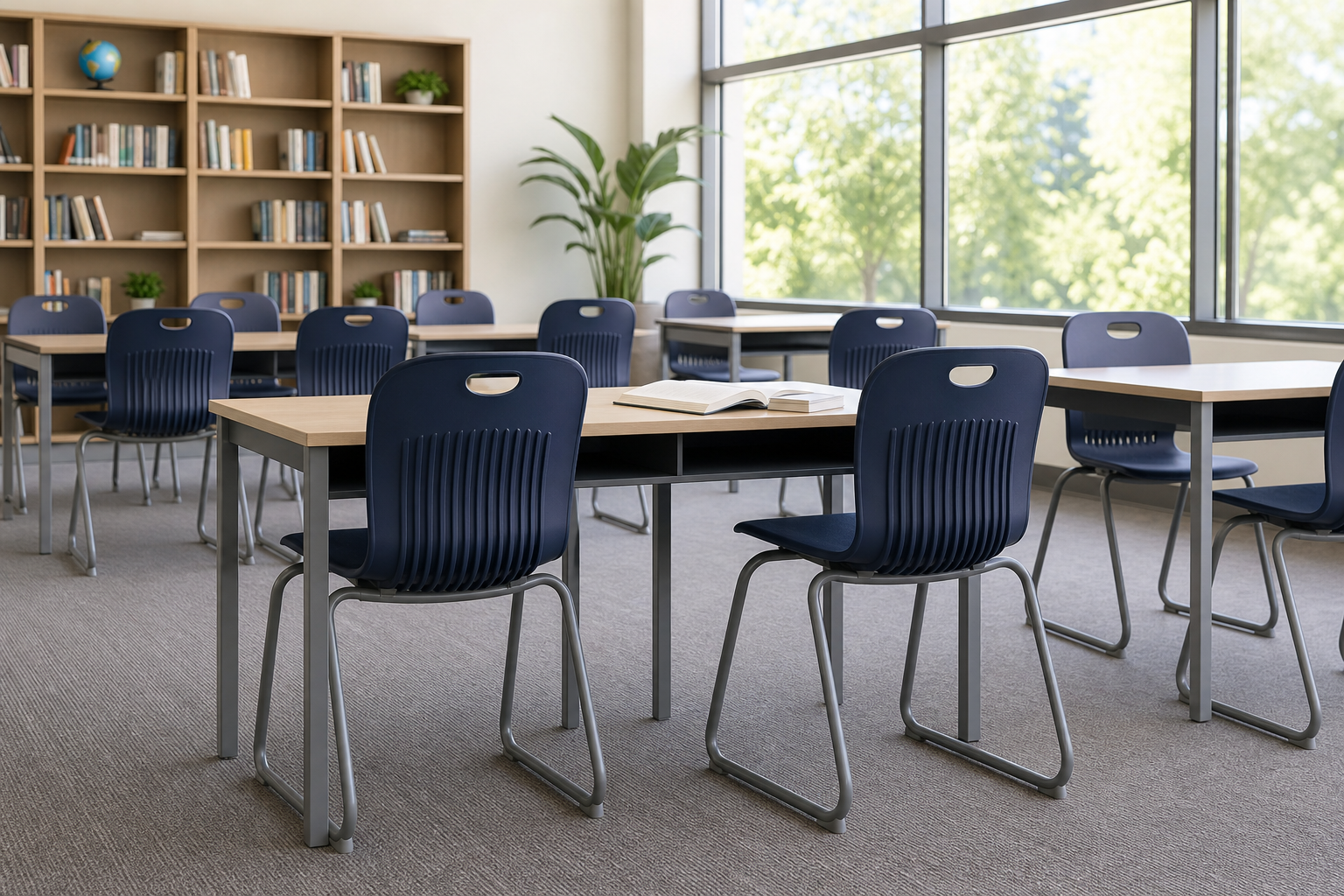
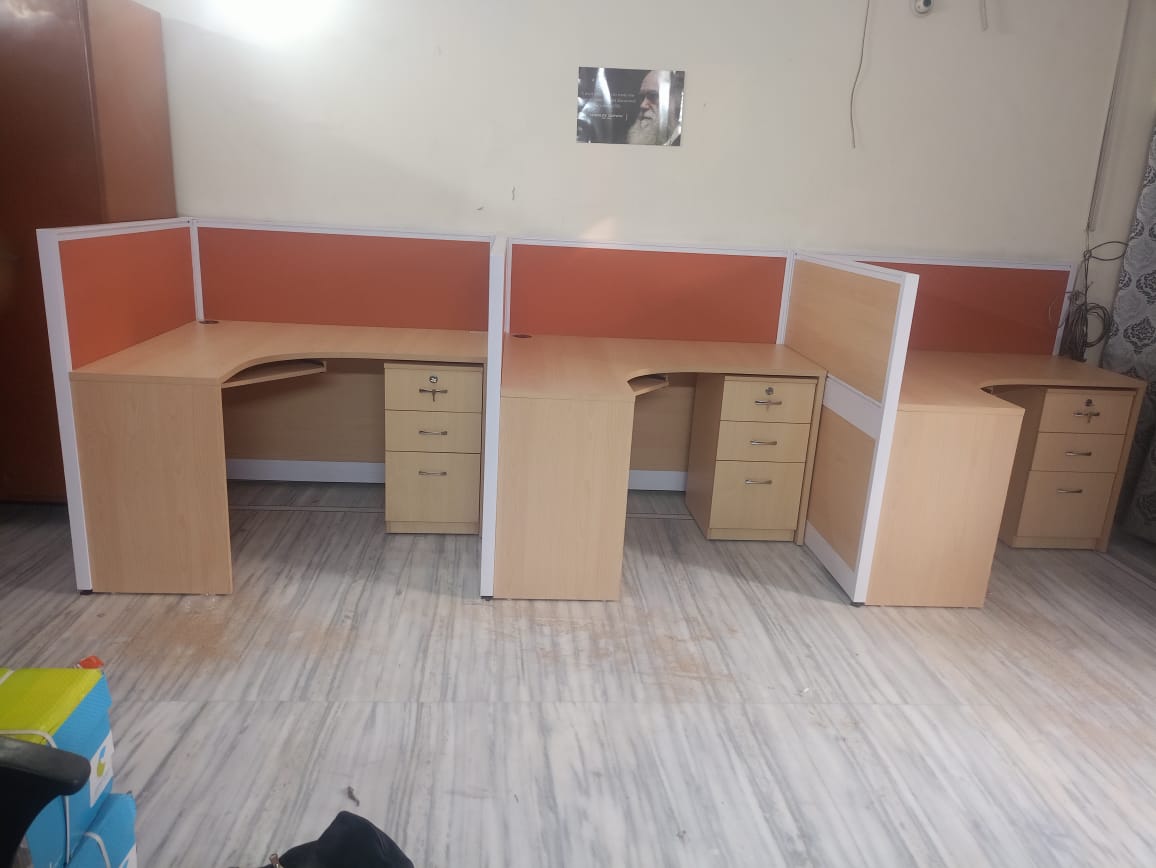
Proper space is essential for studying, writing, and the use of laptops. Hostel study tables should be big enough to accommodate all books, notes, and frequently used equipment.
Ensure that the table height is appropriate with the selected chair and that there is enough room for students' legs. For shared studying spaces, one needs to look at factors like lighting, electricity provision, and room between tables.
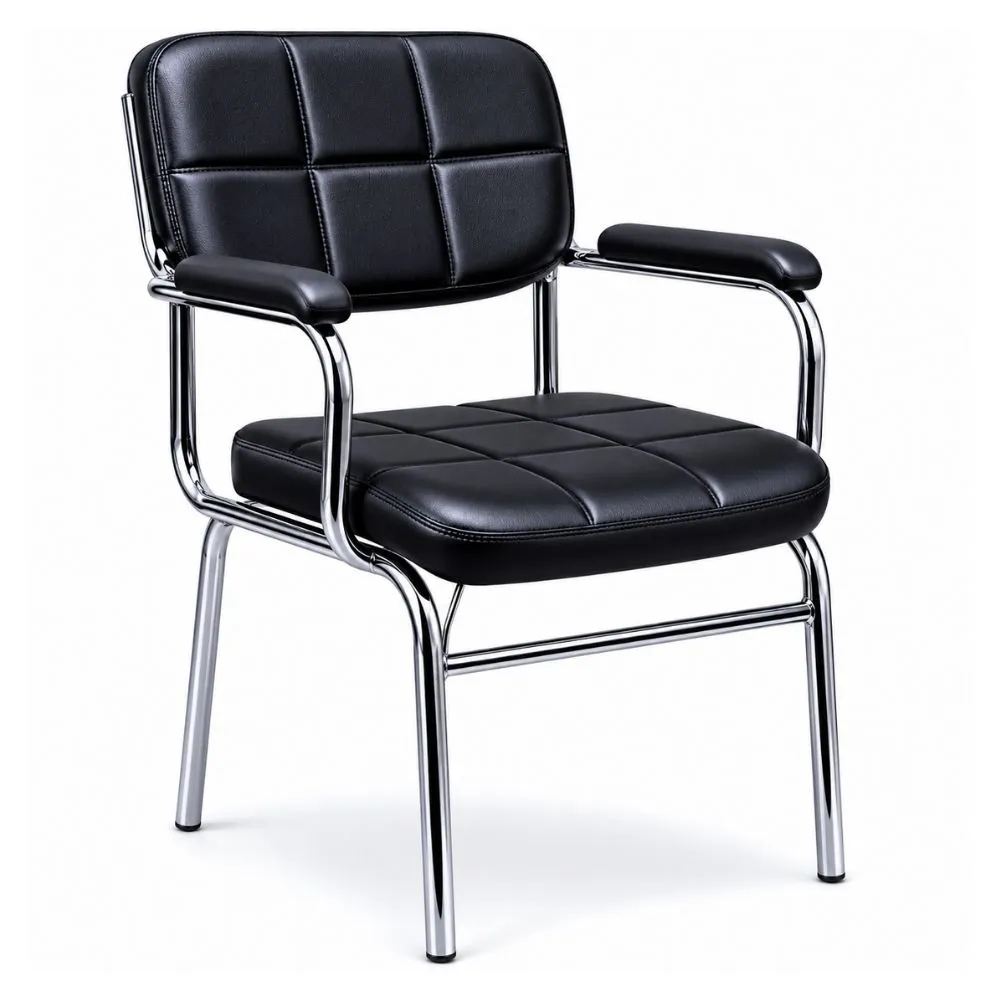
Chairs should be firm, appropriately sized, and comfortable. For school hostels, it is particularly vital to take account of the students' age and body size.
5. Plan Student Wardrobes and Personal Storage
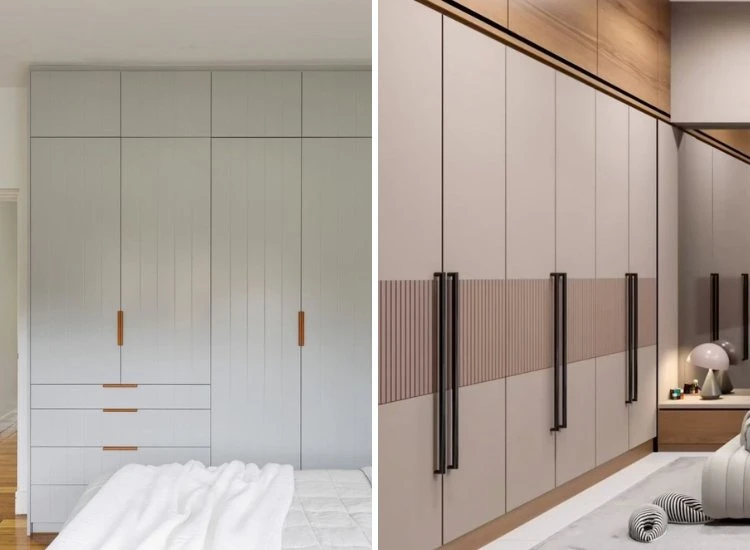
Students need space for clothing, books, bags, and personal belongings. Depending on the room layout, institutions may choose individual student wardrobes, shared cabinets, or lockable hostel storage units.
Important features include:
- Sufficient shelves and hanging space
- Smooth-opening doors
- Stable construction
- Reliable locking arrangements
- Easy-to-clean surfaces
- Accessible storage compartments
Avoid oversized wardrobes that restrict movement around beds and study tables. Storage should be planned according to the number of residents and the belongings they are expected to keep.
6. Measure Rooms Before Finalizing Furniture
The first vital step when purchasing furniture for hostels is to measure the actual rooms. Measure room length, width, ceiling height, door placements, windows, and any permanent electrical fixtures. After this, a simple layout of the furniture should be drawn up. Ensure there is enough space for the residents to gain access to the bed, open the wardrobe, sit down and move around easily.
In the case of bunk beds, the ceiling height and ladder placement should also be considered. No furniture should block any escape routes or routes of movement. Even an efficient-looking layout on paper could become inefficient if the residents are unable to move around freely after placing the furniture.
7. Calculate Furniture Quantities Carefully
Furniture acquisition must start from an inventory analysis. For example, when a facility has 40 rooms intended to house three persons per room, the accommodation capacity becomes 40 × 3 = 120 persons
If each person needs a bed, a study chair, and personal storage space, the first demand will be 120 pieces of each item. However, there can be shared study tables and other room designs. The facility needs to think about reasonable numbers of spares as well. It is just an illustration, and it is not meant to serve as a recommendation for occupancy in rooms.
8. Check Furniture Maintenance Requirements
The furniture for hostels must be easy to test, clean, and repair. While choosing a product, find out about its maintenance frequency and if the parts for replacement are available.
When it comes to metal beds, test the quality of protective coating and the fastening points. In case of wardrobes, test the hinges, locks, and supports. And for chairs, find out about the condition of joints, legs, and surface of the furniture. It may be easier to maintain a piece of furniture which can be repaired with available parts rather than one that should be replaced completely after getting damaged. Make an inspection plan and keep the records of reported defects.
9. Compare Bulk Furniture Quotations Properly
A lower quotation does not always represent better value. Two suppliers may offer similar-looking beds or tables with different materials, dimensions, finishes, and warranty terms. Request quotations based on the same specifications.
A useful comparison should cover:
| Item | What to Compare |
| Beds | Dimensions, frame construction, safety documentation |
| Study tables | Materials, size, edge finishing |
| Chairs | Stability, dimensions, intended use |
| Wardrobes | Storage capacity, hardware, locks |
| Delivery | Transport, unloading, installation |
| Support | Warranty, repairs, replacement parts |
Confirm whether taxes, assembly, and installation are included. Written specifications make it easier to evaluate competing offers fairly.
10. Inspect Samples Before Placing Large Orders
In case of significant hostel furniture procurement, sampling can be a helpful purchase procedure. Request the vendor to provide you with a typical sample. Review the dimensions, finish, structure, and usability of the furniture.
In case of bunk beds, pay attention to the ladder, protection, connection, and instructions.
In case of wardrobe, examine the opening and closing of doors and drawers.
In case of study chair, examine its stability and comfort. Keep the specifications of the approved sample for further comparison with delivered furniture. This will help you avoid acceptance of furniture which may differ from the originally quoted furniture.
How to Choose a Hostel Furniture Manufacturer or Supplier
The furniture supplier should have an elaborate knowledge of the specifications of their products for the benefit of their customers.
An institution can deal with furniture suppliers, dealers or wholesalers whose products come from various furniture makers.
Before selecting a provider, ask:
- Can furniture dimensions be customized?
- Are applicable certifications available?
- Can product samples be inspected?
- What is the expected delivery schedule?
- Who handles installation?
- What warranty coverage is provided?
- Are replacement components available?
- How are damaged or incorrect items handled?
For purchasing institutional furniture in Ghaziabad, Noida, or Delhi NCR, delivery and installation coverage should be confirmed for the actual campus location.
Avoid assuming that a supplier's location guarantees faster delivery or better service.
BIS Furniture Standards to Check in 2026
Indian institutional furniture buyers should pay attention to the Furniture (Quality Control) Order, 2025, and applicable Bureau of Indian Standards requirements.
Relevant product categories include beds, bunk beds, tables, chairs, and storage units.
For example:
- IS 17635: Beds
- IS 17636: Bunk beds
- IS 17633: Tables and desks
- IS 17634: Storage units
- IS 17632: General-purpose chairs and stools
The applicability of all certificate requirements, exceptions, and transition clauses should be assessed based on the most recent communication from the authorities.
All relevant institutions should obtain the correct BIS Standard Mark as well as the license information where required, and verify if the license includes the product provided. Although the certificate is undoubtedly an important factor in making purchasing decisions, it should not substitute installation and proper use.
Common Hostel Furniture Buying Mistakes
Several problems can be avoided through better planning.
Buying without measuring rooms: Furniture may restrict movement or interfere with doors and storage access.
Choosing beds based only on price: Construction quality and safety documentation also matter.
Ignoring student age: Furniture dimensions and bunk-bed suitability should reflect the intended residents.
Skipping sample inspection: Product photographs cannot demonstrate every construction detail.
Overlooking maintenance: Locks, hinges, fasteners, and protective finishes may require attention.
Accepting unclear quotations: Missing installation, delivery, or warranty details can create unexpected costs.
A structured purchasing process helps institutions make decisions based on practical requirements rather than appearance alone.
Final Thoughts
Hostel furniture procurement is not simply the selection of beds, desks, and wardrobes from catalogs. Furniture must be acquired considering the needs of students, availability of space, product safety, maintenance, and usability.
Procurement begins with the measurement of rooms and the compilation of furniture to be acquired. Suppliers must be assessed, sample products analyzed, document verification done, and installation completed. Keeping practicality and product quality in mind, hostels will be able to buy furniture in 2026.